Spoken word poetry poems ignite the stage with raw emotion and powerful narratives. From intimate reflections to fiery social commentary, these poems captivate audiences with their unique blend of performance and artistry. This exploration delves into the core elements of spoken word poetry, examining its history, themes, poetic devices, and the vital role of performance in bringing these verses to life.
This comprehensive guide unravels the multifaceted world of spoken word poetry, revealing its evolution, styles, and lasting impact on various art forms. We’ll analyze key poetic devices and explore the creative process behind crafting these captivating pieces. Discover the social and political resonance of spoken word poetry, and witness its power to inspire and engage communities.
Defining Spoken Word Poetry

Spoken word poetry, a vibrant and dynamic form of performance art, transcends the traditional page to captivate audiences through the power of the spoken word. It’s more than just poetry; it’s a theatrical experience that blends poetic expression with vocal delivery, often incorporating elements of storytelling, rap, and even musicality. This approach to poetry encourages a deeper engagement with the audience, moving beyond the static nature of a printed poem.Spoken word poetry is a powerful medium for exploring a wide range of themes and experiences, often reflecting the contemporary world and its diverse perspectives.
It has become a significant voice in cultural discourse, giving a platform to marginalized communities and fostering dialogue on social and political issues.
Key Characteristics of Spoken Word Poetry
Spoken word poetry is characterized by its emphasis on oral delivery, utilizing vocal techniques and stage presence to enhance the impact of the poem. The art form blends poetry with performance, often incorporating music, movement, and other artistic elements to create a holistic experience. This approach differs significantly from traditional poetry, which relies primarily on the printed word.
Historical Context and Evolution
The roots of spoken word poetry can be traced back to ancient traditions of oral storytelling and performance. From the epic poems of Homer to the poetic slams of today, the art form has continually evolved, adapting to changing cultural contexts and technological advancements. Early examples include the work of poets who used performance as a primary means of dissemination, including African American poets who used poetry as a means of resistance and social commentary during the Civil Rights movement.
Spoken Word Poetry vs. Traditional Poetry
Traditional poetry prioritizes the written word, often focusing on intricate rhyme schemes, meter, and formal structures. Spoken word poetry, in contrast, prioritizes the spoken word and often embraces a more free-form approach, relying on the rhythm and cadence of the delivery to convey meaning. While both forms utilize language to convey emotion and ideas, spoken word poetry prioritizes the performance aspect, which includes elements like stage presence, vocal delivery, and physicality, to create an emotional and intellectual impact on the audience.
Traditional poetry often relies on the reader’s interpretation of the written text, while spoken word poetry aims to engage the audience in a more direct and interactive manner.
The Role of Performance in Spoken Word Poetry
Performance is integral to spoken word poetry. The poet’s delivery, vocal inflection, and physical presence significantly contribute to the poem’s meaning and impact. Poets often use pauses, vocal emphasis, and other techniques to create dramatic effect and guide the audience’s interpretation. A skilled spoken word poet transforms a poem from a static piece of text into a dynamic and engaging performance, which makes the poetry accessible to a broader audience.
Rhythm, Rhyme, and Imagery in Spoken Word Poems, Spoken word poetry poems
While not always strictly adhered to, rhythm, rhyme, and imagery remain crucial components of spoken word poetry. The rhythmic flow of the spoken words, along with the use of evocative imagery and symbolism, can evoke powerful emotions and create lasting impressions on the audience. The poet’s ability to weave these elements together into a compelling performance often elevates the poetry to a higher artistic plane.
Elements of a Typical Spoken Word Poem
| Element | Description |
|---|---|
| Subject Matter | The theme or topic of the poem, often reflecting contemporary issues, personal experiences, or social commentary. |
| Structure | The organization of the poem, often free-form but can also incorporate elements of traditional structure like stanzas or rhymes. |
| Imagery | The use of vivid descriptions and sensory details to create a powerful impact on the audience. |
| Rhythm and Cadence | The rhythmic flow and musicality of the spoken words, which can vary from a steady beat to more complex and unpredictable patterns. |
| Vocal Delivery | The poet’s use of vocal inflection, pauses, and emphasis to convey meaning and emotion. |
| Stage Presence | The poet’s use of body language, movement, and other physical cues to enhance the performance. |
Exploring Themes and Styles

Spoken word poetry, a dynamic and expressive art form, encompasses a wide spectrum of themes and styles. It’s a powerful medium for poets to connect with their audiences on a deeply personal level, exploring diverse experiences and perspectives. This exploration delves into the common threads woven through spoken word poetry, the varied approaches employed by poets, and the diverse range of topics addressed.The form’s versatility allows poets to experiment with different styles, reflecting their unique voices and visions.
This exploration examines how these choices contribute to the overall impact of the poetry and how the poets’ individual voices are presented to the audience.
Common Themes
Spoken word poetry frequently grapples with themes of social justice, personal struggles, and the human condition. These themes are explored through a range of lenses, allowing poets to connect with a broad audience and share their experiences. Often, poems address issues of inequality, discrimination, and injustice, reflecting on the societal structures that perpetuate these problems.
- Social Justice: Poems often address issues of racism, sexism, homophobia, and classism, providing a platform for marginalized voices and advocating for social change. For example, many spoken word poets use their work to amplify the voices of those historically silenced and excluded.
- Personal Struggles: Poems often explore themes of grief, loss, trauma, and mental health. These poems provide an outlet for emotional expression, offering a sense of community and validation to those who share similar experiences.
- The Human Condition: Poems frequently reflect on universal themes such as love, loss, hope, and despair. These poems touch on the common experiences of the human condition, offering a sense of shared humanity to the audience.
Styles and Approaches
Spoken word poetry encompasses a wide array of styles and approaches, each with its own unique characteristics. The use of rhythm, rhyme, and metaphor, along with various performance techniques, allows poets to tailor their delivery to resonate with their audience.
- Narrative Style: This style often tells a story, whether fictional or autobiographical. The poet crafts a narrative arc, using descriptive language and vivid imagery to transport the audience to the heart of the story.
- Lyrical Style: This style focuses on evocative imagery, emotional depth, and musicality. The poet uses vivid language and metaphorical comparisons to convey feelings and experiences in a profound and poetic way.
- Political Style: This style addresses social and political issues with directness and urgency. Poets often use their words to challenge injustice, advocate for change, and inspire action.
- Experimental Style: This style pushes the boundaries of form and structure. Poets may use unconventional rhyme schemes, unique rhythmic patterns, or incorporate elements from other art forms.
Examples of Poets
Various poets represent diverse styles and approaches within spoken word poetry. Their unique voices and creative expression make them stand out.
- Saul Williams: Known for her raw, political, and often confrontational style, she blends lyrical language with social commentary to challenge societal norms.
- Danez Smith: His work often explores themes of queerness, gender, and race, incorporating elements of vulnerability and humor in his powerful performances.
- Patrice Grena: Her spoken word performances focus on personal narratives and experiences, using her voice to amplify marginalized stories and foster a sense of community.
Range of Topics
The topics addressed in spoken word poetry are remarkably diverse, reflecting the breadth of human experience.
- Personal Experiences: Poets frequently share their personal struggles, triumphs, and reflections on life’s journey.
- Social Commentary: Poets use spoken word to comment on political, social, and economic issues, often advocating for change and challenging the status quo.
- Historical Narratives: Poets may use spoken word to retell historical events, perspectives, or experiences. This can range from personal accounts to broader social narratives.
Comparison of Styles
Comparing different spoken word poets reveals how their unique styles and approaches impact the delivery and reception of their work. A comparison of the stylistic elements of different poets can show how these elements contribute to the overall impact and meaning of the poetry.
Styles and Characteristics
| Style | Characteristics |
|---|---|
| Narrative | Focuses on storytelling, often using vivid imagery and descriptive language. |
| Lyrical | Emphasizes emotional depth and musicality, using evocative language and metaphors. |
| Political | Addresses social and political issues directly, often with a sense of urgency and call to action. |
| Experimental | Pushes boundaries of form and structure, incorporating unconventional techniques and elements from other art forms. |
Analyzing Poetic Devices
Spoken word poetry, a dynamic form, relies heavily on poetic devices to evoke emotions and convey meaning. These devices, carefully chosen and strategically deployed, create a tapestry of sound, imagery, and rhythm that resonates with the listener. Understanding how these devices work is crucial to appreciating the art of spoken word poetry.Poetic devices are the tools of the trade for spoken word poets.
They are the building blocks that construct powerful and evocative experiences for the audience. By understanding these tools, we gain a deeper insight into the poet’s craft and the profound impact of their words.
Figurative Language in Spoken Word Poetry
Spoken word poets employ a wide range of figurative language to add depth and complexity to their work. Figurative language transcends literal meanings, inviting the listener to explore layers of interpretation. This exploration fosters a richer engagement with the poem’s message.
Metaphors, Similes, and Personification
Metaphors, similes, and personification are potent tools for creating vivid imagery and emotional connections. Metaphors directly equate dissimilar things, while similes use “like” or “as” to compare them. Personification gives human qualities to non-human entities.
- Metaphors: A powerful metaphor in spoken word poetry might compare the struggle for social justice to a relentless climb up a mountain, evoking a sense of arduous effort and eventual triumph.
- Similes: A simile might liken the feeling of loneliness to the cold, empty expanse of the night sky, establishing a clear and tangible connection between the abstract emotion and the concrete image.
- Personification: Personifying the city as a restless beast, groaning under the weight of its own anxieties, creates a visceral image of urban struggles.
Sound Devices: Alliteration and Assonance
Sound devices, such as alliteration and assonance, create musicality and emphasis. Alliteration repeats consonant sounds, while assonance repeats vowel sounds. These devices enhance the poem’s auditory appeal, drawing attention to specific words and phrases.
- Alliteration: The repeated “s” sounds in a poem about the relentless struggles of a community might create a sense of oppression and persistent hardship.
- Assonance: The repeated “o” sounds in a poem about the longing for a better future might create a sense of longing and yearning.
Repetition and Imagery
Repetition of phrases or words emphasizes key ideas, creating a powerful impact. Imagery, whether visual, auditory, or tactile, creates a sensory experience for the listener.
- Repetition: Repeating a phrase like “We rise” throughout a poem on resilience can powerfully reinforce the theme of overcoming adversity.
- Imagery: Vivid imagery in a spoken word poem about a city’s decay might include descriptions of crumbling buildings and deserted streets, painting a bleak but realistic picture.
Poetic Devices in Spoken Word Poetry: A Table
| Poetic Device | Definition | Example | Impact |
|---|---|---|---|
| Metaphor | Direct comparison of dissimilar things | “Life is a rollercoaster.” | Creates vivid imagery and emotional connection |
| Simile | Comparison using “like” or “as” | “Her laughter was like wind chimes in the breeze.” | Creates a clear comparison and sensory experience |
| Personification | Giving human qualities to non-human entities | “The city coughed out smoke.” | Brings non-human entities to life and conveys emotion |
| Alliteration | Repeating consonant sounds | “She sells sea shells by the seashore.” | Creates a rhythmic and memorable effect |
| Assonance | Repeating vowel sounds | “The rain in Spain falls mainly on the plain.” | Creates a musicality and emphasizes specific words |
| Repetition | Repeating phrases or words | “We will not be silenced.” | Emphasizes key ideas and creates a powerful impact |
| Imagery | Creating sensory experiences | “The air hung thick with the smell of pine and rain.” | Engages the listener’s senses and creates vivid images |
Performance Aspects of Spoken Word Poetry

Spoken word poetry isn’t just about the words on the page; it’s about the vibrant, dynamic experience of performance. The spoken word artist transforms the poem into a living, breathing entity, using their voice, body, and the environment to connect with the audience on a deeply emotional level. This engagement hinges on the mastery of performance techniques.The art of spoken word lies in the skillful blending of poetic craft with theatrical performance.
Spoken word poetry poems often utilize rhythmic and sonic devices to evoke strong emotional responses in the audience. The dynamic nature of performance, coupled with the immediacy of the delivery, fosters a unique connection between the poet and the listener. This contrasts with the more static nature of traditional poetry, and aligns well with the ethos of live performance venues like the Poetry Inn Napa, a venue showcasing various poetry forms, poetry inn napa.
Such venues offer a platform for experimentation and innovation within the spoken word poetry genre.
Vocal delivery, body language, and stage presence are integral elements, shaping the poem’s impact and resonating with the audience. The choice of music and sound effects further elevates the experience, while the artist’s engagement methods deepen the connection with the audience. This intricate interplay between words and performance creates a powerful and unforgettable experience.
Vocal Delivery
Vocal delivery is the cornerstone of spoken word performance. A skilled artist uses tone, rhythm, and inflection to bring the poem to life. Different vocal techniques, such as varying pitch, pace, and volume, can emphasize specific words or phrases, highlighting their significance and creating a powerful emotional impact on the listener. The artist’s ability to control their voice becomes a conduit for conveying the poem’s essence.
Body Language and Stage Presence
Body language and stage presence are equally important. A performer’s posture, gestures, and movements can amplify the emotional weight of the poem. The use of space, movement across the stage, and facial expressions work in concert with the words to create a visceral experience for the audience. Effective stage presence ensures the performer becomes an integral part of the poem’s narrative, drawing the audience into the emotional journey.
Music and Sound Effects
Music and sound effects are crucial tools in spoken word performances. They can be used to create atmosphere, highlight particular sections of the poem, and enhance the emotional impact. The carefully chosen soundscape can transform a simple poem into a powerful artistic statement. Music and sound effects, when skillfully integrated, amplify the overall experience, drawing the audience deeper into the poem’s narrative.
Audience Engagement Methods
Engaging the audience is vital to a successful spoken word performance. Techniques such as eye contact, interaction with the audience, and the use of rhetorical questions or pauses can foster a sense of connection and participation. Creating a dialogue with the audience makes the experience more memorable and participatory, forging a deeper bond between the performer and the audience.
Examples of Successful Performances and Impact
Numerous successful spoken word performances have demonstrated the power of this art form. The captivating performances of poets like [Example Poet 1] and [Example Poet 2] have resonated with audiences worldwide, inspiring and impacting listeners. Their performances, characterized by profound emotion, eloquent storytelling, and masterful use of poetic devices, have left an indelible mark on the cultural landscape.
Table of Performance Aspects
| Performance Aspect | Description |
|---|---|
| Vocal Delivery | Using tone, rhythm, and inflection to bring the poem to life; controlling pitch, pace, and volume to emphasize specific words or phrases. |
| Body Language & Stage Presence | Utilizing posture, gestures, movements, and facial expressions to enhance the emotional weight of the poem; effectively using space and movement across the stage. |
| Music & Sound Effects | Employing music and sound effects to create atmosphere, highlight specific sections, and enhance emotional impact. |
| Audience Engagement | Engaging the audience through eye contact, interaction, rhetorical questions, pauses, and other methods to foster connection and participation. |
Impact and Influence of Spoken Word Poetry
Spoken word poetry transcends the page, transforming into a dynamic force that resonates with audiences on a profound level. Its impact extends far beyond the realm of literature, influencing social discourse, artistic expression, and community engagement. This form of poetry, often characterized by its raw emotion and direct address to the listener, has a unique ability to ignite conversations and effect change.Spoken word poetry isn’t confined to the literary world; its influence is felt across various artistic mediums.
From its powerful ability to connect with audiences to its role in activism and community building, it demonstrates a unique potential to shape cultural landscapes. This exploration dives into the multifaceted impact of spoken word poetry on society and the arts.
Social and Political Impact
Spoken word poetry frequently serves as a powerful voice for social and political change. It provides a platform for marginalized communities to express their experiences, challenging dominant narratives and fostering dialogue about critical issues. The raw, unfiltered emotion and personal stories shared through this art form often create a profound impact on listeners, prompting reflection and encouraging empathy.
For example, the poems of Maya Angelou and other spoken word poets have historically and consistently highlighted the injustices and inequalities faced by various groups, igniting social movements and influencing political discourse.
Influence on Other Art Forms
Spoken word poetry has undeniably influenced numerous other art forms. Its emphasis on rhythm, rhyme, and powerful delivery has inspired musicians, filmmakers, and playwrights. The use of spoken word in music, particularly hip-hop and rap, is a prime example. The fusion of poetry with music creates a potent blend, amplifying the message and emotional impact of the spoken word artist.
Moreover, the use of poetic devices and narrative structures within spoken word often finds its way into other creative works.
Role in Community Engagement
Spoken word poetry facilitates community engagement by creating spaces for dialogue and shared experiences. Open mic nights, workshops, and performances provide platforms for individuals to connect with each other, share their stories, and build a sense of community. The intimate nature of spoken word poetry often fosters a strong sense of belonging and empathy among participants. These gatherings often serve as vital spaces for fostering dialogue and understanding, especially within diverse communities.
Role in Activism
Spoken word poetry is frequently utilized as a tool for activism. Poets use their voices to raise awareness about social injustices, advocate for change, and inspire action. This form of activism allows individuals to express their feelings and experiences through creative expression, often resonating more powerfully than traditional forms of advocacy. The direct address and emotional depth of spoken word poetry often make it a powerful tool for engaging with audiences and motivating them to take action.
Examples of Addressing Social Issues
Numerous spoken word poets have used their craft to address critical social issues. For instance, poets addressing systemic racism often share personal experiences and perspectives, challenging the status quo and prompting dialogue. Similarly, spoken word performances addressing economic inequality, gender discrimination, or environmental concerns have galvanized audiences and contributed to social awareness. These examples highlight the significant role of spoken word poetry in social commentary and activism.
Influence Across Mediums
| Medium | Influence of Spoken Word Poetry |
|---|---|
| Music (Hip-Hop/Rap) | The rhythmic delivery and lyrical content of spoken word have heavily influenced hip-hop and rap music, shaping its poetic style and themes. |
| Film/Screenwriting | The narrative structure, poetic imagery, and emotional depth found in spoken word are increasingly incorporated into film and screenwriting. |
| Theatre/Plays | Spoken word poetry’s emphasis on direct address and performance aspects has inspired playwrights to incorporate poetic devices and narrative styles into their work. |
| Visual Arts | The evocative imagery and powerful messages in spoken word poetry have inspired artists to create visual pieces that reflect similar themes and emotions. |
| Activism/Social Movements | Spoken word poetry’s ability to connect with audiences and convey powerful messages has made it a vital tool in various social movements and activist campaigns. |
Analyzing Specific Poems
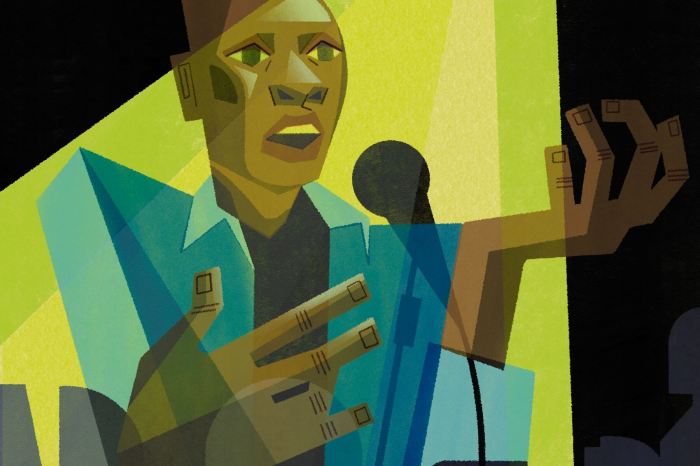
Dissecting a spoken word poem allows us to appreciate the intricate artistry behind its creation. It’s not merely a collection of words, but a carefully constructed tapestry woven with poetic devices, themes, and a unique performance style. By analyzing a chosen poem, we can unravel the layers of meaning and understand how the poet employs these elements to engage the audience and convey a powerful message.
Analysis of “The Dream” by Langston Hughes
This poem, a cornerstone of African American literature, embodies the essence of the spoken word tradition. It’s not just a recounting of a dream, but a reflection on the human condition, particularly the hopes and aspirations, and sometimes the disillusionment, of marginalized communities. The poem’s directness and emotional resonance make it a prime example of spoken word poetry.
Poetic Devices in “The Dream”
The poem leverages a range of poetic devices to create a powerful effect. These devices are not simply used for aesthetic appeal; they serve to enhance the poem’s meaning and emotional impact. Imagery, metaphor, and repetition, among other tools, contribute to the overall impact of the poem.
- Imagery: Hughes employs vivid imagery to paint a picture of the dream. For example, “And the land of cotton” evokes a strong visual representation of the Southern landscape, which is often connected to the history of slavery and oppression.
- Metaphor: The poem uses metaphors to convey complex ideas in a concise and evocative manner. The “land of cotton” itself is a metaphor for the struggles and aspirations of a community. “I am the dream” illustrates the importance of perseverance and hope.
- Repetition: The repetition of phrases like “I have a dream” emphasizes the importance of the dream itself and creates a rhythmic, hypnotic effect, making it memorable for the listener. This repetition also underscores the persistence and hope for a better future.
Themes and Message in “The Dream”
The central theme of “The Dream” is the pursuit of a better future. Hughes’s poem conveys the hope for a life free from discrimination and hardship. It’s a powerful statement about the resilience of the human spirit and the importance of dreams in driving societal progress. The message, conveyed with raw emotion and poetic beauty, is a call for equality and justice.
Impact of Performance
The impact of a spoken word poem is significantly amplified by the performance. A skillful delivery can bring the words to life, highlighting the nuances of the language and the emotions embedded within. The rhythm, tone, and pacing of the spoken word performance greatly enhance the emotional resonance of the poem.
Style of “The Dream”
The poem embodies the characteristic style of the Harlem Renaissance, with its focus on social justice and African American identity. The use of vivid imagery and a powerful message, delivered with conviction, places it firmly within the spoken word tradition.
Examples of Poetic Devices in “The Dream”
| Quote | Poetic Device | Impact |
|---|---|---|
| “And the land of cotton” | Imagery | Creates a vivid picture of the Southern landscape, evoking memories and associations. |
| “I have a dream” | Repetition | Emphasizes the importance of the dream and creates a rhythmic, hypnotic effect. |
| “I am the dream” | Metaphor | Conveys the idea of personal agency and the importance of the dream as a driving force. |
Creating Spoken Word Poetry

Spoken word poetry, a powerful form of artistic expression, demands a unique approach to composition. It’s not merely about penning verses; it’s about crafting a performance piece, a dialogue with the audience. This section delves into the practical aspects of creating spoken word poetry, offering a roadmap for aspiring poets.Crafting a spoken word poem is a multi-faceted process, combining creative brainstorming, careful structuring, and masterful use of poetic devices.
Understanding the nuances of rhythm, rhyme, and personal experience is key to creating impactful work.
Brainstorming Ideas
Generating ideas for a spoken word poem is a crucial first step. A multitude of approaches can spark creativity. Consider personal experiences, observations of the world, or abstract concepts. Journaling, freewriting, or even simply observing your surroundings can be incredibly fruitful. Drawing inspiration from current events, historical moments, or social issues is another potent technique.
The goal is to identify a core theme or feeling that will drive the poem’s narrative.
Structuring a Spoken Word Poem
A well-structured poem is essential for a compelling performance. Spoken word poetry doesn’t adhere to rigid formal structures like sonnets. Instead, it emphasizes a natural flow and rhythm that engages the listener. The structure often emerges organically from the content, with the poet weaving a narrative through a series of thoughts and observations. A spoken word poem can be structured as a narrative, a series of vignettes, or even a freeform exploration of a single idea.
Consider the emotional arc and the desired impact on the audience when arranging the content.
Rhythm and Rhyme
Rhythm and rhyme are crucial elements in spoken word poetry. Rhythm creates a musicality that enhances the impact of the words, while rhyme can add a certain lyrical quality. While not mandatory, skillful use of these devices can significantly improve the overall experience. Experiment with different rhythmic patterns and explore the possibilities of internal rhyme, slant rhyme, or even a complete absence of rhyme.
The focus is on creating a powerful and memorable cadence that complements the message.
Incorporating Personal Experiences
Authenticity is a cornerstone of impactful spoken word poetry. Incorporating personal experiences allows the poet to connect with the audience on a deeper level. Sharing anecdotes, reflections, or memories can imbue the poem with a unique perspective and emotional resonance. The key is to craft these experiences into a universal narrative that resonates with the audience’s own lived experiences, even if the specifics are personal.
Creating a Spoken Word Poem: A Step-by-Step Guide
| Step | Description |
|---|---|
| 1 | Brainstorming: Identify a central theme, topic, or feeling. Gather personal experiences, observations, or external influences. |
| 2 | Developing Structure: Create a rough Artikel or a series of vignettes to organize thoughts. Determine the emotional arc and desired impact. |
| 3 | Crafting Language: Use vivid imagery, strong verbs, and impactful phrasing. Experiment with rhythm and rhyme to enhance the poem’s musicality. |
| 4 | Refining the Poem: Read the poem aloud and make necessary revisions to improve flow, clarity, and impact. |
| 5 | Rehearsing: Practice the poem aloud to refine delivery, tone, and emotional expression. |
| 6 | Performance: Deliver the poem with passion, conviction, and a connection to the audience. |
Closure
In conclusion, spoken word poetry poems stand as a testament to the power of human expression, a vibrant fusion of artistry, performance, and social commentary. This exploration has illuminated the core elements of this unique form, from its historical context to its modern applications. The enduring impact of spoken word poetry, evident in its ability to connect with audiences and shape societal discourse, ensures its continued relevance and growth in the future.
Question & Answer Hub: Spoken Word Poetry Poems
What distinguishes spoken word poetry from traditional poetry?
Spoken word poetry emphasizes performance and audience interaction, often incorporating elements of music and movement. Traditional poetry, while also possessing artistic merit, focuses primarily on the written text and its aesthetic qualities.
How can I use personal experiences in my spoken word poetry?
Authenticity is key. Share your experiences honestly, using them as a springboard for broader themes and ideas. Focus on conveying emotion and meaning through relatable narratives.
What are some common themes in spoken word poetry?
Common themes include social justice, personal struggles, love, loss, and the human condition. These themes are often explored through a lens of experience and perspective.
What are some essential poetic devices used in spoken word poetry?
Poets frequently employ devices like metaphors, similes, imagery, and repetition to enhance the impact of their spoken word poems.


