Creative writing books open a window to worlds beyond our own, brimming with imaginative stories and captivating characters. From captivating fiction to evocative poetry, these books explore the human condition and spark our imaginations. This exploration delves into the intricacies of crafting compelling narratives, the role of the author, the reader’s journey, and the lasting impact of creative writing on language and society.
This comprehensive guide provides a detailed overview of the world of creative writing books, covering diverse genres, the author’s perspective, reader engagement, essential elements for compelling stories, recommendations, and the influence of creative writing on language and society. Each section offers unique insights and practical advice for aspiring writers and avid readers alike.
Overview of Creative Writing Books
Hey there, fellow wordsmiths! Dive into the vibrant world of creative writing books – a realm beyond the ordinary, where imagination takes flight and stories come alive. These books aren’t just about grammar and mechanics; they’re about unlocking the power of prose, poetry, and storytelling to transport readers to different worlds.Creative writing books offer a unique approach to learning and developing one’s writing skills, unlike textbooks or academic manuals.
They emphasize the art and craft of storytelling, rather than the strict rules of formal writing. Whether you’re a seasoned writer or just starting your journey, these books provide a wealth of inspiration, techniques, and practical guidance to elevate your creative expression.
Defining Creative Writing Books
Creative writing books are dedicated to the art of crafting narratives, poems, and other imaginative works. They distinguish themselves from other writing books by focusing on the aesthetic and expressive elements of language, rather than the practical aspects of writing, such as report writing or business correspondence. The goal is to stimulate creativity, cultivate voice, and enhance storytelling abilities.
Creative Writing Genres
Creative writing encompasses a diverse spectrum of genres. From the captivating world of fiction, where characters and plots intertwine in narratives, to the rhythmic beauty of poetry, where words paint vivid pictures and evoke emotions, the possibilities are endless. Plays and screenplays also fall under this umbrella, offering insights into crafting dialogue and visual storytelling.
- Fiction: This genre explores narratives with characters, plots, settings, and themes. Think captivating novels, short stories, and novellas that immerse readers in imaginative worlds.
- Poetry: This genre uses rhythmic and aesthetic qualities of language to express emotions, ideas, and experiences. Think sonnets, free verse, haikus, and other forms of poetic expression.
- Plays/Scripts: These are written to be performed on stage. They often include dialogue, stage directions, and character descriptions.
- Screenplays: These are written for film or television. They incorporate dialogue, descriptions of settings, and camera angles, providing a visual narrative.
Common Characteristics
Creative writing books often share certain key characteristics, regardless of genre. They typically offer practical exercises, insightful analyses of established works, and guidance on developing unique voices. Many provide templates or frameworks to inspire creativity and help writers structure their narratives. These books may also offer tips on character development, plot construction, and world-building.
- Emphasis on Style and Voice: Creative writing books emphasize the importance of developing a distinctive writing style and voice, allowing writers to create a unique narrative identity.
- Practical Exercises and Prompts: Many books include exercises and prompts to stimulate creativity and develop writing skills.
- Analysis of Existing Works: Creative writing books often examine well-known works of literature, highlighting elements of storytelling and structure that can inspire writers.
- Guidance on Character Development, Plot Construction, and World-Building: Books in this category may offer frameworks or templates to aid writers in creating compelling characters, engaging plots, and immersive settings.
Examples of Popular Creative Writing Books
Some popular creative writing books across different genres include “Bird by Bird” by Anne Lamott, a fantastic guide for overcoming writer’s block and finding your voice; “On Writing” by Stephen King, providing insightful advice on the craft of storytelling; “The Elements of Style” by Strunk and White, a timeless classic for improving writing clarity and precision; “The Art of Fiction” by John Gardner, offering guidance on crafting compelling and well-structured stories.
Many other books cater to specific genres like poetry, screenwriting, or fiction.
Genre Comparison
| Genre | Focus | Common Elements | Example |
|---|---|---|---|
| Fiction | Character development, plot progression, world-building | Narrative, characters, conflict, resolution | “To Kill a Mockingbird” by Harper Lee |
| Poetry | Emotional expression, imagery, rhythm | Verse, meter, rhyme, figurative language | “The Raven” by Edgar Allan Poe |
| Plays/Scripts | Dialogue, stage directions, character interactions | Action, dialogue, setting, characters | “A Raisin in the Sun” by Lorraine Hansberry |
| Screenplays | Visual storytelling, dialogue, scene descriptions | Action, dialogue, camera angles, setting | “The Shawshank Redemption” screenplay |
Author’s Perspective on Creative Writing Books
Crafting a compelling creative writing book is like sculpting a masterpiece. It’s a journey of imagination, fueled by passion and meticulous detail. The author is the architect, the storyteller, and the conductor, weaving together the threads of narrative and style to create an immersive experience for the reader. It’s a fascinating process, blending personal vision with the demands of storytelling.The author’s perspective is crucial to understanding the heart and soul of a creative writing book.
They’re not just recording events; they’re crafting an experience. They’re the voice guiding the reader through a world they’ve painstakingly built, populated with characters they’ve brought to life. From the initial spark of inspiration to the final polished manuscript, the author’s journey is a testament to the power of creativity.
The Role of the Author in Shaping Narrative and Style
The author is the storyteller, the architect of the narrative. They choose the voice, the tone, and the style that best suit their story. This involves careful consideration of the target audience, the desired mood, and the overall message they wish to convey. Their choices in language, imagery, and structure all contribute to the unique voice and aesthetic of the book.
The author’s personal experiences and beliefs also subtly influence the narrative, shaping the characters’ motivations and the world’s atmosphere.
Character Development in Creative Writing
Creating believable characters is a cornerstone of effective storytelling. Authors use a multifaceted approach to bring their characters to life. This process involves establishing a character’s background, motivations, flaws, and desires. It’s not simply about physical attributes; it’s about understanding their inner world, their relationships with other characters, and how these relationships drive the plot. Authors may use detailed descriptions or symbolic actions to reveal character traits and motivations.
Sometimes, even seemingly minor details about a character can significantly impact the reader’s understanding of them. Consider how a character’s choice of clothing, their mannerisms, or even their reaction to a specific event can reveal their personality and values.
World-Building Strategies, Creative writing books
Building a believable and immersive world is a key element of captivating storytelling. Authors employ various techniques to establish the setting, including detailed descriptions of geography, culture, and societal norms. They may draw inspiration from real-world cultures or invent entirely new ones. The environment, both physical and social, often plays a significant role in shaping the characters’ actions and the plot’s progression.
A meticulously crafted world, rich in detail, immerses the reader and enhances the story’s impact. Consider the influence of a fictional historical period on character choices and societal interactions.
Utilizing Literary Devices
Authors use a range of literary devices to enhance the narrative and evoke specific emotions in the reader. These include metaphors, similes, symbolism, and imagery. Each device adds depth and layers of meaning to the story, allowing the author to paint vivid pictures in the reader’s mind. Metaphors and similes create comparisons that enhance understanding and engagement, while symbolism can add profound layers of meaning, often hinting at themes or deeper truths within the story.
Imagery helps to create sensory experiences, bringing the world and characters to life.
Key Elements of a Creative Writing Book (Author’s Perspective)
| Element | Description |
|---|---|
| Narrative Voice | The unique perspective and style of the author, influencing the story’s tone and mood. |
| Character Arc | The journey of characters throughout the story, encompassing their growth, development, and transformation. |
| Plot Structure | The arrangement of events in the story, encompassing rising action, climax, and resolution. |
| Setting | The environment and context where the story unfolds, affecting character actions and plot progression. |
| Themes | The central ideas and messages explored within the story, often reflecting universal truths or experiences. |
Reader’s Engagement with Creative Writing Books
Bali vibes are strong, right? Creative writing books are like that – they draw you in, offering a unique escape and experience. Readers are hooked by more than just a pretty cover; it’s a deep connection that transcends the page.These stories are portals to other worlds, fostering introspection and inspiring us to explore our own thoughts and feelings.
They offer a chance to connect with something bigger than ourselves, a shared human experience woven through compelling narratives.
Key Factors Drawing Readers
Readers are drawn to compelling characters, vivid descriptions, and engaging plots. A well-crafted story can transport readers to a different time, place, or emotional state. Intriguing mysteries, unexpected twists, and relatable struggles resonate with the human experience. The language used, the voice of the author, and the overall aesthetic contribute to the reader’s experience, just like a Balinese sunset.
Emotional and Intellectual Impact
Engaging with creative writing books can evoke a range of emotions, from joy and laughter to sadness and contemplation. Readers can feel empathy for characters, experience vicarious adventures, and gain new perspectives on the world. This emotional journey can lead to deeper self-awareness and a more nuanced understanding of human nature. The intellectual impact comes from grappling with complex themes, exploring different ideas, and questioning assumptions.
Understanding Themes and Messages
Readers approach themes and messages in creative writing books in various ways. Some analyze symbolism and imagery to uncover deeper meanings. Others focus on the characters’ actions and motivations to understand the author’s intent. Considering the historical context, cultural influences, and societal issues explored within the story can offer a more comprehensive understanding of the message. It’s like uncovering the hidden layers of a beautiful Balinese painting.
Connecting with Characters and Plot
Readers connect with characters through their shared experiences, values, and flaws. Readers are often invested in the characters’ journeys, cheering for their triumphs and empathizing with their struggles. The plot’s twists and turns keep readers engaged, driving them to discover the outcome and the motivations behind it. Just like watching a captivating Balinese dance performance.
Reader Engagement Strategies
Readers employ a variety of approaches to fully immerse themselves in a creative writing book. These strategies enhance the reading experience and provide deeper understanding of the work.
- Active Reading: Taking notes, highlighting key passages, and questioning the author’s choices are important ways to engage with the text. It’s like actively participating in a Balinese cultural performance.
- Imaginative Visualization: Creating mental images of the setting, characters, and events helps to immerse oneself in the story. It’s similar to picturing the vibrant atmosphere of a traditional Balinese market.
- Discussion and Reflection: Sharing interpretations with others, and reflecting on personal connections to the themes or characters, can enrich the reading experience. It’s like sharing your impressions with other travelers after visiting a beautiful Balinese temple.
| Reading Strategy | Description |
|---|---|
| Note-Taking | Recording key details, observations, and interpretations during reading. |
| Character Analysis | Examining character motivations, traits, and relationships. |
| Theme Identification | Identifying recurring ideas and concepts explored in the book. |
| Contextual Understanding | Considering historical, social, or cultural factors influencing the story. |
Elements of a Compelling Creative Writing Book

Bali vibes are all about storytelling, and a good story needs more than just a cool concept. It’s about the magic woven into the plot, the depth of the characters, the atmosphere that draws you in, and the conflicts that make you think. Let’s dive into the ingredients for a truly unforgettable read!
Plot Structure: The Backbone of the Story
Plot structure is the roadmap that guides your reader through the story. It’s the sequence of events, the rising action, the climax, and the resolution. A strong plot keeps the reader engaged, wanting to know what happens next. Think of it like a rollercoaster; a well-structured plot provides twists and turns that keep the ride exciting. A predictable plot can leave the reader bored, while a poorly structured one can leave them confused.
Character Development: Giving Life to the Pages
Characters are the heart and soul of any story. Compelling characters are relatable, flawed, and three-dimensional. They grow and change throughout the story, reflecting the impact of the events they face. Strong character development adds depth and emotional resonance to the narrative. Imagine your favourite Bali surfer; their struggles, their triumphs, and their unique perspective make them unforgettable.
Setting and Atmosphere: Painting a Picture with Words
Setting and atmosphere create the sensory experience for the reader. They immerse the reader in the story’s world, making it feel real. Think about the smells, the sounds, the sights, and the emotions evoked by the setting. A vibrant, well-described setting can transport the reader to another time and place. Imagine the aroma of kopi luwak wafting through a lush Balinese jungle, or the rhythmic crashing of waves on a volcanic beach.
While creative writing books offer a wealth of inspiration for aspiring authors, engaging with pop culture can also be a valuable tool. For instance, exploring the intricate connections within pop culture crossword puzzles can spark innovative narrative ideas, prompting writers to examine themes and characters in new ways. Ultimately, this exploration can enrich the creative writing process, fostering a deeper understanding of the human experience reflected in popular culture.
Conflict: The Engine of the Story
Conflict is the driving force behind any story. It’s the struggle, the challenge, the opposition that characters face. Conflict can be internal (a character’s struggle with their own demons) or external (a character battling an outside force). Different types of conflict add layers of complexity and tension to the narrative, keeping the reader hooked. A story without conflict is like a beach without waves—flat and uninteresting.
Relationship Between Plot, Character, Setting, and Conflict: A Table
| Element | Description | Example |
|---|---|---|
| Plot | The sequence of events that drive the story forward. | A young Balinese artist, frustrated by a lack of recognition, decides to enter a prestigious art competition. |
| Character | The individuals who inhabit the story and drive the plot. | The artist, with their artistic passion, fears of failure, and unwavering dedication. |
| Setting | The time and place where the story unfolds. | The vibrant art scene in Ubud, Bali, with its bustling markets and inspiring galleries. |
| Conflict | The struggle or challenge faced by the characters. | The artist faces criticism from established artists, self-doubt, and the pressure of the competition. |
Creative Writing Book Recommendations
Finding the perfect creative writing book can be like stumbling upon a hidden gem in Uluwatu. It’s about more than just words on a page; it’s about the vibe, the story, and the way it makes you feel. This section dives into some seriously rad reads, highlighting what makes them so special.
Criteria for Selection
These recommendations aren’t just plucked out of thin air. We’ve considered factors like author style, genre appeal, and overall impact on the reader. The books selected have a strong reputation within the creative writing community, and we’ve tried to find books that are both inspiring and practical. We’ve also considered how accessible the style is for aspiring writers.
Recommended Books
These books offer a taste of diverse voices and styles, from the poetic flow of a classic to the fresh, modern approach of a contemporary author. They’ve resonated with writers and readers alike, offering valuable insights and inspiration.
| Author | Genre | Synopsis |
|---|---|---|
| Stephen King | Horror, Thriller | Known for his chilling tales and masterful storytelling, King’s books are often praised for their psychological depth and suspenseful plots. His works often explore the dark corners of the human psyche, weaving together elements of fear and reality. A must-read for those who love a good scare! |
| Ernest Hemingway | Short Stories, Novels | Hemingway’s concise and powerful prose style revolutionized American literature. His short stories, like “Hills Like White Elephants,” and novels like “The Old Man and the Sea,” showcase a deep understanding of character and setting, making them a true testament to the power of words. |
| Toni Morrison | Fiction | Morrison’s novels are masterpieces of storytelling that explore themes of race, identity, and the human condition with grace and profound insight. Her work often features complex characters and rich narratives, offering a unique perspective on the African American experience. |
| Rumaan Alam | Literary Fiction | Alam’s writing blends poetic imagery with sharp social commentary, often set against the backdrop of South Asian cultures. He creates vivid portraits of characters and settings, making his books a rewarding read. |
| Chimamanda Ngozi Adichie | Literary Fiction | Adichie’s stories are known for their exploration of female characters and complex relationships. Her prose is lyrical and evocative, offering a unique perspective on issues of identity, culture, and gender. |
Author’s Style and Impact
Each author brings a unique style to their work. King’s writing is intense and visceral, while Hemingway’s is more direct and evocative. Morrison’s work is characterized by its profound exploration of complex themes, while Adichie’s is known for its emotional resonance and nuanced portrayals of human relationships. Each author has left an undeniable mark on the creative writing landscape, influencing countless writers and readers.
Creative Writing Books and the Evolution of Language

Yo, writing peeps! Let’s dive into how creative writing books have been like the cool DJs spinning the freshest tunes in the evolution of language. From shaping poetic styles to sparking new vocab, these books have been major players in the literary landscape, influencing how we talk and write today. It’s a wild ride, and we’re about to get groovy!
Creative writing isn’t just about crafting compelling stories; it’s a dynamic force that pushes the boundaries of language. Think of it as a living, breathing thing, constantly adapting and evolving alongside society. Books are like time capsules, reflecting the social and cultural shifts of their eras, and that’s reflected in the way language changes and grows within them.
Influence on Literary Styles
Creative writing books have been instrumental in shaping diverse literary styles. From the introspective prose of Virginia Woolf to the experimental poetry of Allen Ginsberg, each author’s unique voice has impacted the way we perceive and use language. They’ve broken molds, experimented with sentence structures, and introduced new vocabulary, forever changing the literary game.
Examples of Language Change
One clear example is the evolution of the novel. Early novels often used simpler language, focusing on straightforward storytelling. Modern novels, influenced by creative writing, are packed with complex sentences, figurative language, and nuanced characterizations, reflecting the more sophisticated ways we use language today. Think of the rich imagery and abstract concepts in contemporary novels; that’s a direct result of creative writers pushing the boundaries of expression.
Impact on Society and Culture
Creative writing isn’t just confined to the pages of books. It resonates throughout society and culture, shaping our understanding of the world and ourselves. Powerful narratives can challenge social norms, spark conversations, and inspire change. Think about how certain books have ignited movements, advocating for social justice or raising awareness about important issues. It’s a powerful form of communication, capable of influencing the world in profound ways.
Reflecting Societal Changes
Creative writing books are incredible mirrors reflecting the changing social landscapes. A book set in the 1950s will have a vastly different language and tone compared to a book from the 2020s. These differences aren’t just about style; they reveal the evolving values, anxieties, and hopes of each era. From the anxieties of the Cold War to the complexities of modern identity, books capture and reflect those moments in time.
It’s a fascinating lens into the soul of society.
Evolution of Literary Styles Table
| Era | Dominant Style | Examples (Authors/Books) | Key Language Features |
|---|---|---|---|
| Early 20th Century | Modernism | Virginia Woolf (Mrs. Dalloway), James Joyce (Ulysses) | Stream of consciousness, fragmented narratives, experimentation with sentence structure |
| Mid-20th Century | Postmodernism | Salinger (The Catcher in the Rye), Toni Morrison (Beloved) | Metafiction, challenging traditional narratives, questioning societal norms |
| Late 20th Century – Present | Contemporary | Chimamanda Ngozi Adichie (Americanah), Rumaan Alam (Exit West) | Exploring diverse voices, multicultural perspectives, tackling contemporary issues, complex characters |
Creative Writing Books and their Impact on Society
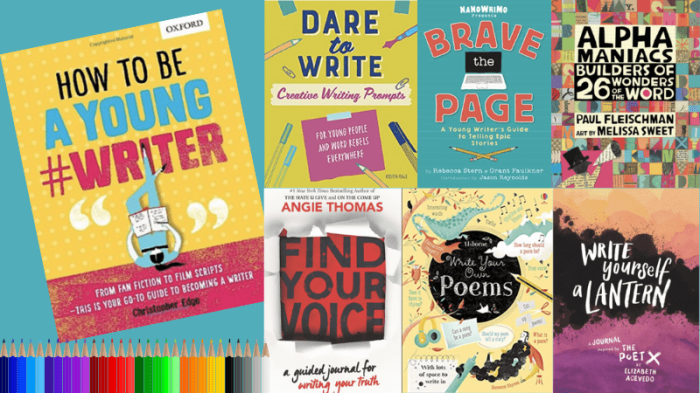
Dude, creative writing books aren’t just stories; they’re like secret agents of social change. They sneak into our hearts and minds, subtly reshaping our perspectives and inspiring us to see the world in a whole new light. From ancient myths to modern novels, these books have been weaving narratives that shape our understanding of ourselves and others.These stories aren’t just entertainment; they’re powerful tools that can shift societal values, spark conversations, and even ignite revolutions.
Think about how a novel can challenge our assumptions about race, gender, or class. Or how a poem can stir up emotions and make us question our place in the world. Creative writing books are seriously impactful, influencing everything from our personal values to the very fabric of our culture.
Influence on Societal Perspectives and Values
Creative writing often mirrors and sometimes even shapes the prevailing social and moral values of its time. Stories reflect societal concerns, fears, and aspirations, thereby influencing how people perceive the world and their place in it. For instance, dystopian novels often explore anxieties about societal control and the potential for unchecked power, thereby prompting critical reflection on existing structures.
Role in Shaping Cultural Norms
Creative writing books are crucial in shaping cultural norms by introducing new perspectives and ideas. Think of how literary works can challenge existing stereotypes, introduce new ways of thinking, and expand our understanding of diverse experiences. The portrayal of different cultures and backgrounds in novels and poems broadens societal perspectives and fosters greater empathy. For example, the portrayal of marginalized communities in literature often leads to a re-evaluation of societal norms and biases.
Power to Inspire Social Change
Creative writing can be a catalyst for social change by highlighting injustices and inspiring action. By vividly depicting the struggles and triumphs of marginalized groups, creative works can awaken empathy and encourage readers to challenge discriminatory practices. Stories of resilience, activism, and overcoming adversity can empower readers to become agents of positive change in their own lives and communities.
For example, works of literature that expose social inequalities have often sparked movements for social justice.
Impact of Different Genres on Society
Different genres of creative writing books cater to diverse tastes and needs. Each genre can have a specific impact on society, from evoking emotional responses to prompting intellectual engagement. Fantasy literature, for example, often explores themes of good versus evil and the human condition, while historical fiction offers insights into past events and cultures. These insights, when presented thoughtfully, can enrich our understanding of the world.
Table Contrasting Social Impact of Different Genres
| Genre | Potential Social Impact | Example |
|---|---|---|
| Dystopian | Prompts reflection on societal control and power structures, fostering critical thinking. | “1984” by George Orwell |
| Historical Fiction | Enhances understanding of past cultures and events, fostering empathy and cultural awareness. | “The Nightingale” by Kristin Hannah |
| Fantasy | Explores themes of good versus evil, courage, and the human condition, providing moral frameworks and entertainment. | “The Hobbit” by J.R.R. Tolkien |
| Romance | Often explores themes of love, relationships, and personal growth, offering relatable experiences and perspectives on human connections. | “Pride and Prejudice” by Jane Austen |
| Science Fiction | Examines potential futures and societal consequences of technological advancements, prompting reflection on societal choices and ethical dilemmas. | “The Martian” by Andy Weir |
Concluding Remarks
In conclusion, creative writing books are far more than mere stories; they are vessels for human experience, cultural reflection, and the evolution of language. They shape our perspectives, challenge our assumptions, and ultimately, enrich our understanding of the world. The craft of writing and the act of reading, as revealed through these books, are powerful tools for self-discovery and connection.
Commonly Asked Questions
What are the key differences between fiction and non-fiction creative writing books?
Fiction creative writing books primarily focus on imagined narratives and characters, while non-fiction creative writing might draw on real-life experiences or events but still use creative techniques to present them in a compelling way. This often involves imaginative storytelling methods, evocative language, and well-developed characters to bring non-fiction subjects to life.
How can I improve my own creative writing skills?
Immerse yourself in diverse creative writing books, analyzing the elements that make them compelling. Study the author’s techniques, practice writing regularly, and seek feedback from others. Try different genres and experiment with various writing styles to discover what resonates with you.
What are some common literary devices used in creative writing books?
Common literary devices include metaphors, similes, personification, symbolism, and imagery. These devices enhance the descriptive power of the writing, making the story more engaging and memorable.
What is the significance of plot structure in a creative writing book?
Plot structure provides the framework for a story, outlining the progression of events and keeping the reader engaged. A well-structured plot keeps the reader invested in the story, while a poorly structured one can leave the reader confused or disengaged.


