Creative writing degree jobs offer a gateway to a world of compelling possibilities. From crafting captivating narratives to shaping compelling content, these roles empower individuals to share their unique voices and talents. This exploration delves into the diverse landscape of creative writing degree jobs, examining the current market trends, specific career paths, essential skills, and pathways to advancement.
Discover the potential within these rewarding opportunities.
This guide provides a comprehensive overview of the creative writing job market, covering various aspects from industry trends to practical tips for success. We will explore the potential for growth and how to leverage your skills for a fulfilling career. Prepare to unlock your potential and embark on a journey of creativity and purpose.
Skills & Qualifications

The crucible of creative writing demands a unique blend of technical proficiency and intangible qualities. Beyond the eloquent prose and compelling narratives, successful creative writing careers hinge on a multifaceted skillset that navigates the intricate landscape of the industry. This encompasses not only the craft of writing but also the ability to adapt, network, and persevere.The modern creative writing landscape is a dynamic ecosystem demanding adaptability and a keen understanding of industry trends.
A comprehensive grasp of these skills and qualifications is crucial for navigating the competitive job market and achieving lasting success in this multifaceted field.
Essential Skills for Success, Creative writing degree jobs
A robust foundation in creative writing encompasses a wide array of essential skills. These skills, ranging from fundamental writing techniques to nuanced interpersonal abilities, form the bedrock of a successful career. Strong storytelling abilities, the ability to craft compelling narratives, and the capacity to delve into complex characters are paramount.
Importance of Soft Skills
Soft skills, often overlooked, are indispensable in the creative writing industry. The ability to collaborate effectively, communicate persuasively, and adapt to diverse perspectives is paramount. These intangible attributes are critical for fostering productive partnerships with editors, publishers, and fellow creatives. A writer who excels in communication, negotiation, and teamwork is far more likely to thrive in a collaborative environment.
Technical Skills for Different Roles
Technical skills vary depending on the specific creative writing role. A journalist, for instance, requires proficiency in research, fact-checking, and adhering to journalistic standards. A novelist needs an understanding of plot structure, character development, and world-building. A scriptwriter necessitates knowledge of screenwriting formats, dialogue construction, and pacing.
- Journalists require meticulous research and fact-checking abilities, in addition to adhering to journalistic ethical standards.
- Novelists must master plot construction, character development, and world-building.
- Screenwriters need a deep understanding of screenwriting formats, dialogue structure, and pacing.
- Technical writers require expertise in clear and concise communication, effective organization, and technical terminology.
Essential Qualities for Creative Writing Professionals
Beyond technical skills, certain qualities distinguish exceptional creative writing professionals. These include unwavering passion, persistent dedication, an inquisitive mind, and a willingness to learn. A commitment to continuous improvement, coupled with an open-minded approach to feedback, distinguishes successful creatives from the rest.
Skills for Various Creative Writing Jobs
The table below highlights the hard and soft skills required for different creative writing roles, providing a comprehensive overview.
| Job Role | Hard Skills | Soft Skills |
|---|---|---|
| Journalist | Research, fact-checking, interviewing, adherence to journalistic style guides | Communication, interpersonal skills, adaptability, attention to detail |
| Novelist | Plot development, character creation, world-building, writing structure | Creativity, imagination, perseverance, self-discipline |
| Screenwriter | Dialogue construction, pacing, scene development, screenwriting format understanding | Collaboration, adaptability, problem-solving, creative thinking |
| Technical Writer | Clear and concise communication, technical terminology, effective organization | Attention to detail, patience, communication, empathy |
Coursework Preparation for Job Roles
A creative writing degree provides a robust foundation for various job roles. Coursework in narrative structure, character development, and genre study equips students with the necessary technical skills. Workshops and seminars foster the development of crucial soft skills such as communication, collaboration, and adaptability. Furthermore, the emphasis on critical analysis and research enhances analytical and problem-solving abilities, which are highly valuable in professional settings.
Career Paths & Advancement
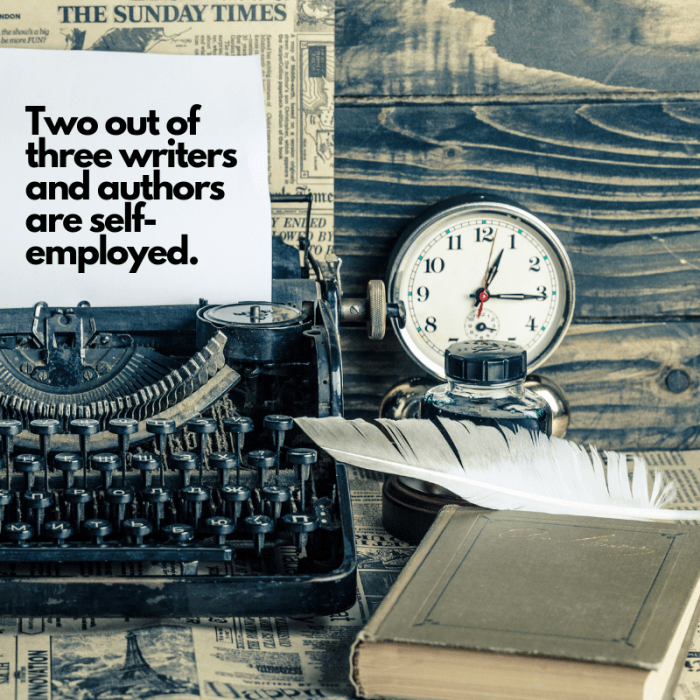
The tapestry of creative writing careers unfurls in a myriad of vibrant threads, each woven with unique challenges and rewards. Navigating this landscape requires a keen understanding of the paths available, the transitions possible, and the pivotal factors that propel a writer toward greater heights. The journey is not predetermined, but rather, shaped by individual choices, diligent effort, and the strategic cultivation of invaluable relationships.The path to professional fulfillment in creative writing is not a linear progression.
It is a dynamic dance, requiring adaptability, resilience, and a relentless pursuit of growth. Advancement is not merely about climbing the corporate ladder, but about crafting a career that resonates with personal aspirations and the unique voice of the writer.
Common Career Progression Paths
A multitude of pathways await creative writing graduates, each with its own allure and challenges. From the vibrant stage of freelance writing to the commanding position of a published author, the possibilities are as limitless as the human imagination. The foundation of a successful career is laid with a strong grasp of fundamental skills, but also nurtured by continuous learning and an unwavering dedication to craft.
Creative writing degree jobs can lead to fulfilling careers, but sometimes finding the right path feels challenging. A love for stories often blossoms in quiet spaces, like those found in a library. A library culture pass, like the one offered by this library culture pass , can inspire and connect you with resources that might just help you craft the next bestseller.
This immersion in a vibrant literary environment can significantly enhance your chances of securing a creative writing degree job.
- Freelance Writer to Editor/Proofreader: Transitioning from a freelance writer to an editor or proofreader often involves developing an eye for detail, an understanding of style guides, and a strong command of grammar. Many freelance writers cultivate their editing and proofreading skills alongside their writing, recognizing the essential nature of these complementary skills for a more robust portfolio.
- Content Creator to Marketing Strategist: Content creation is often a springboard to marketing strategy. A creative writer with a knack for crafting compelling narratives can leverage their skills to develop effective marketing materials, understanding the intricate nuances of audience engagement and branding. This transition demands a keen understanding of market trends and consumer psychology.
- Published Author to Publishing House Editor/Agent: A celebrated author may find a rewarding transition to the world of publishing. This path often involves developing an understanding of the intricacies of publishing, from securing book deals to editing manuscripts, ultimately supporting the publication process.
- Creative Writer to Educator: Creative writing skills are highly valued in educational settings. A writer who possesses a strong pedagogical approach can find a fulfilling career teaching creative writing courses, nurturing the talents of aspiring writers. This transition highlights the transferable nature of creative writing skills across diverse fields.
Potential Career Transitions
Creative writing graduates often find themselves in positions that go beyond the traditional literary landscape. Their adaptability and creativity can be valuable assets in diverse fields.
- Journalism: The ability to craft compelling narratives and analyze complex issues is highly valuable in journalism. Creative writing graduates can use their storytelling prowess to produce engaging articles and reports.
- Public Relations: A writer with a flair for public relations can craft press releases, speeches, and other promotional materials that captivate audiences and advance organizational objectives.
- Marketing: The art of persuasion and narrative construction is essential in marketing. A creative writer can develop effective campaigns and strategies to reach target audiences.
- Screenwriting: The ability to translate narrative ideas into visual storytelling is invaluable in the film and television industry. Creative writing graduates can use their talents to craft compelling screenplays.
Factors Influencing Career Advancement
Several key factors contribute to the progress of a creative writing career. These elements interact dynamically, shaping the path of a writer’s journey.
- Portfolio Development: A strong portfolio showcasing a diverse range of writing styles and subject matter is essential for securing opportunities and demonstrating skill.
- Networking and Relationships: Cultivating relationships within the creative writing community, from fellow writers to potential employers, is crucial for navigating the industry.
- Continuous Learning: The creative writing field is constantly evolving, requiring writers to stay abreast of current trends and emerging techniques. Continuous learning is vital for maintaining a competitive edge.
- Skill Enhancement: Developing and refining writing skills, including research, editing, and marketing, significantly enhances career prospects.
Importance of Networking and Building Relationships
In the competitive world of creative writing, relationships are invaluable assets. Networking and building connections are essential for securing opportunities and gaining access to valuable resources.
- Collaboration and Mentorship: Networking facilitates collaboration with other writers and industry professionals, fostering valuable mentorship opportunities and sharing of knowledge.
- Professional Development: Networking opens doors to workshops, conferences, and other professional development opportunities, allowing writers to expand their skill set and stay abreast of industry trends.
- Job Prospects: Strong relationships can lead to job opportunities, referrals, and valuable feedback, ultimately shaping career trajectories.
- Support System: A supportive network provides encouragement, guidance, and a sense of community, bolstering the writer’s journey.
Strategies for Developing a Creative Writing Career
A well-defined strategy is crucial for navigating the creative writing landscape. Strategies that focus on self-improvement, skill enhancement, and industry knowledge are pivotal for a successful career.
- Seeking Feedback: Actively seeking constructive criticism from mentors, peers, and critique groups is essential for growth and refinement.
- Building a Strong Online Presence: Creating a professional online presence through websites and social media platforms allows writers to showcase their work and connect with potential employers.
- Market Research: Understanding the needs and demands of the market helps writers tailor their skills and portfolio to maximize their impact.
- Exploring Diverse Genres and Styles: Experimentation with different genres and styles of writing broadens skill sets and strengthens versatility.
Potential Career Progression Table
| Initial Career Stage | Intermediate Career Stage | Advanced Career Stage |
|---|---|---|
| Freelance Writer | Editor/Proofreader | Publishing House Editor |
| Content Creator | Marketing Strategist | Marketing Director |
| Published Author | Literary Agent | Publishing House CEO |
| Creative Writing Instructor | Department Head | University Professor |
Practical Application & Tips

The crucible of the creative writing profession demands more than mere talent; it necessitates strategic application of skills and a calculated approach to navigating the often-tumultuous job market. This section provides actionable strategies to transform raw potential into tangible opportunities, empowering aspiring writers to forge their path toward success.
Crafting a Compelling Resume and Cover Letter
A compelling resume and cover letter are not mere documents; they are meticulously crafted instruments for conveying the essence of your unique creative voice. Tailor your resume to each specific position, highlighting relevant experiences and showcasing a distinct narrative that resonates with the role’s requirements. A well-crafted cover letter should transcend a simple summary of skills, instead delving into the personal connection between your aspirations and the specific demands of the position.
Demonstrate a deep understanding of the employer’s needs and the unique perspective you can bring to the table. Quantify your achievements whenever possible. For example, instead of stating “Managed social media accounts,” articulate “Increased social media engagement by 25% through innovative content strategies.”
Mastering the Interview
The interview is not a mere interrogation; it is a dynamic dialogue where you showcase your creative prowess and passion. Prepare thoughtful responses to common interview questions, highlighting your unique strengths. Demonstrate your ability to articulate your writing style, discussing your process and how you approach various creative challenges. Practice responding to hypothetical situations that might arise during the interview.
Anticipate questions about your writing process and portfolio and formulate compelling answers. Be ready to discuss your understanding of the company’s work and its alignment with your own artistic vision.
Showcasing Writing Samples Effectively
Your writing samples are not mere attachments; they are powerful testaments to your abilities. Select samples that directly address the specific requirements of the positions you’re targeting. Ensure each sample showcases a different facet of your writing style, demonstrating versatility and a range of skills. Provide context for each sample, explaining the project’s background, your role, and the specific outcomes.
Consider creating a digital portfolio to showcase your work, allowing potential employers to experience your unique voice and style in a dynamic format.
Leveraging Online Platforms
The digital realm offers an unprecedented landscape for seeking creative writing opportunities. Utilize job boards dedicated to creative writing, and be sure to create professional profiles on platforms frequented by publishing houses, literary agents, and other potential employers. Actively network with other writers and industry professionals. Stay updated on industry news, events, and trends through relevant online communities.
Explore online writing contests and challenges as avenues for gaining recognition and showcasing your talent.
Maintaining a Professional Online Presence
A professional online presence is no longer optional; it is essential. Craft a website or blog that showcases your writing, reflecting your style and passion. Maintain active social media profiles that align with your professional brand, engaging with industry peers and potential employers. Be mindful of your online reputation, ensuring your digital footprint projects professionalism and competence.
Monitor your online presence regularly, promptly addressing any feedback or concerns. Utilize online platforms for sharing your work, engaging in discussions, and networking with industry professionals.
Industry Trends & Future Outlook

The creative writing landscape is undergoing a seismic shift, a metamorphosis driven by technological advancements and evolving societal needs. Once a realm of ink and paper, the craft is now a digital tapestry woven with code and algorithms. This transformation demands a nuanced understanding of the present and a prophetic gaze into the future.The creative writing industry, once a sanctuary of solitude, now echoes with the vibrant hum of digital platforms.
This dynamic environment necessitates adaptability and innovation to thrive in this ever-evolving realm. Writers must navigate this digital frontier, embracing new tools and techniques to craft compelling narratives in the age of instant information.
Emerging Trends in Creative Writing
The creative writing field is experiencing a dramatic evolution. New genres, subgenres, and hybrid forms are emerging, reflecting the complexities of modern life. The proliferation of social media and online platforms has democratized storytelling, fostering a vibrant community of writers and readers.
- Micro-content and Short-Form Storytelling: The rise of social media and mobile devices has led to a demand for concise, engaging narratives. Writers are crafting captivating short stories, poems, and articles for platforms like Twitter, Instagram, and TikTok. This shift necessitates a refined ability to condense complex ideas into succinct and impactful expressions.
- Interactive Storytelling: Digital mediums offer the potential for immersive and interactive storytelling experiences. Readers can actively participate in shaping the narrative through choices and decisions, leading to unique and personalized readings. Examples of this include interactive fiction and choose-your-own-adventure narratives.
- Accessibility and Inclusivity: A growing awareness of diverse perspectives is leading to a wider range of voices and narratives in creative writing. Writers are exploring themes of social justice, cultural identity, and personal experience with increased depth and nuance. This inclusivity is reflected in the diversity of stories being published and consumed.
Technology’s Impact on Creative Writing
Technology is reshaping the creative writing process in profound ways. Tools like AI writing assistants and online collaborative platforms are altering the way writers craft, edit, and share their work. This revolution is both a boon and a challenge, demanding adaptability from creative writers.
- AI Writing Tools: Artificial intelligence is emerging as a powerful tool for writers. AI can assist with tasks like brainstorming, outlining, and generating different variations of text. However, these tools are not a replacement for human creativity but a supportive partner in the writing process. Examples include Grammarly, Jasper, and other AI writing assistants.
- Digital Publishing Platforms: Self-publishing platforms have democratized access to readers. Writers can now publish their work independently, circumventing traditional publishing houses. Platforms like Amazon Kindle Direct Publishing (KDP) and Wattpad provide authors with greater control over their work and reach a broader audience.
- Online Collaboration Tools: Writers can now collaborate on projects from different geographical locations using tools like Google Docs, Dropbox, and other cloud-based platforms. This fosters a more connected and productive writing environment.
Future of Creative Writing in the Digital Age
The future of creative writing is intertwined with the evolution of digital technology. The industry will likely see an increasing demand for writers with digital literacy skills and adaptability.
- Data-Driven Storytelling: Creative writing will increasingly incorporate data analysis and insights to create more nuanced and believable characters and plots. Data can reveal trends and patterns in human behavior, enriching fictional narratives with realism.
- Virtual and Augmented Reality: Emerging technologies like VR and AR are poised to transform how stories are told and experienced. These technologies offer unprecedented opportunities for immersive storytelling, opening new avenues for creative expression.
- Personalized Storytelling: Digital platforms will likely offer personalized storytelling experiences, tailoring narratives to individual preferences and tastes. This is already evident in personalized recommendations on streaming services and social media platforms.
Regional Variations in the Creative Writing Job Market
The creative writing job market varies significantly across different regions. Factors like local industry trends, cultural preferences, and economic conditions influence opportunities for creative writers.
- North America: The North American market is generally robust, with opportunities in publishing, journalism, and advertising. Major cities like New York, Los Angeles, and Toronto offer significant opportunities.
- Europe: Europe offers a diverse range of opportunities, from literary magazines and publishing houses to creative agencies and cultural institutions. The European Union’s creative industries are growing, with particular strengths in filmmaking, literature, and music.
- Asia: Asia is experiencing a surge in demand for creative writers, particularly in the rapidly expanding digital media sector. Countries like Japan, South Korea, and China are experiencing growth in the entertainment industry and demand for creative content.
Emerging Opportunities for Creative Writers
The digital age presents a wealth of emerging opportunities for creative writers beyond traditional publishing and journalism.
- Web Content Writers: The demand for engaging and informative online content is increasing, creating opportunities for writers to create blogs, articles, and website copy.
- Social Media Content Creators: Social media platforms offer writers the chance to connect with audiences and create content that resonates with their interests.
- Video Scriptwriters: The growing popularity of video content necessitates skilled writers to craft engaging and compelling scripts for YouTube, short-form videos, and other digital platforms.
Comparison of Traditional and Emerging Creative Writing Jobs
| Criteria | Traditional Creative Writing Jobs | Emerging Opportunities |
|---|---|---|
| Job Type | Authors, Editors, Journalists, Poets, Playwrights | Web Content Writers, Social Media Managers, Video Scriptwriters, Interactive Storytellers |
| Skills Required | Strong writing, storytelling, and research skills | Strong writing, storytelling, digital literacy, and marketing skills |
| Tools Used | Pen, paper, computer | Computers, software, social media platforms |
| Work Environment | Independent or office-based | Independent or remote/hybrid |
| Future Outlook | Stable but evolving | High growth potential |
Conclusive Thoughts

In conclusion, creative writing degree jobs present a vibrant and dynamic career path. Understanding the market trends, honing essential skills, and developing a professional network are crucial for navigating this exciting field. Embrace the journey of crafting compelling stories, and remember that your unique voice holds immense value in this ever-evolving industry. By diligently preparing and cultivating your craft, you can unlock the full potential of your creative writing degree and embark on a journey of professional fulfillment.
FAQ Section: Creative Writing Degree Jobs
What are some common misconceptions about creative writing degree jobs?
Some believe that creative writing degrees only lead to freelance work, overlooking opportunities in corporate settings and other industries. Many creative writing graduates find employment in marketing, advertising, public relations, and journalism. Additionally, the perception that creative writing jobs lack structure often fails to account for the established career paths and structured environments available to those with creative writing degrees.
How can I improve my chances of landing a creative writing job?
Developing a strong portfolio, networking with professionals, and tailoring your resume and cover letter are key strategies. Highlighting relevant skills and showcasing your writing samples effectively can significantly enhance your chances of securing a job. Furthermore, demonstrating a proactive approach and showcasing your enthusiasm for the specific roles and industries you target will greatly increase your success rate.
What are the key skills employers look for in creative writing graduates?
Beyond writing proficiency, employers value strong communication skills, critical thinking, and adaptability. These skills, along with attention to detail and the ability to meet deadlines, are highly sought after in the industry. Demonstrating initiative and a proactive approach to problem-solving is also vital.


