Creative writing book unveils the captivating world of storytelling, from crafting compelling narratives to mastering evocative language. This guide delves into the essential elements of crafting a successful book, encompassing various genres and styles, from fiction to poetry, and exploring the journey from initial idea to final publication.
Discover the key characteristics that differentiate creative writing books from other literary forms. Understand the target audience for different types of creative writing books, and explore the evolution of the genre across time. We’ll analyze the different formats, structures, and essential elements required to create a book that resonates with readers and leaves a lasting impact.
Defining Creative Writing Books
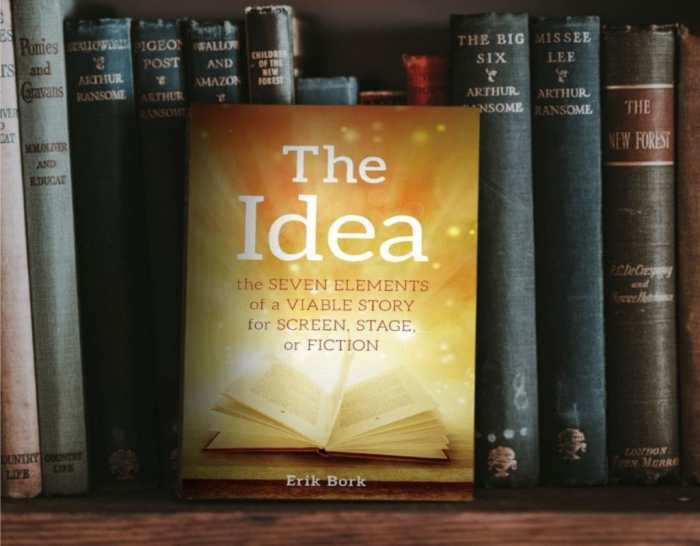
Yo, fam, lemme drop some knowledge on creative writing books. It’s more than just novels, you dig? It’s a whole spectrum of storytelling, from slam poetry to sci-fi epics. This ain’t your average textbook, it’s about crafting narratives, exploring ideas, and making readers feel somethin’.Creative writing books are tools for unlocking imagination and pushing boundaries. They’re not just about telling a story; they’re about exploring the human condition, examining societal issues, and creating worlds that readers can lose themselves in.
They’re the fuel for your inner artist, man.
Defining Characteristics of Creative Writing Books
Creative writing books are distinct from textbooks or biographies. They prioritize narrative structure, character development, and evocative language over factual accuracy or historical context. The goal is to transport the reader, not to educate or inform. Think vivid imagery, complex characters, and compelling plots.
Target Audiences for Different Creative Writing Books
Creative writing books cater to a wide range of readers and writers. Beginner books offer foundational elements like plot structure and character arcs. Experienced writers might seek advanced techniques like world-building or exploring specific genres. Specific genres like fantasy or romance cater to readers interested in those particular themes and styles.
Different Formats of Creative Writing Books
Creative writing books come in many forms. Novels are sprawling epics, often spanning hundreds of pages. Short stories offer concise narratives exploring specific themes or conflicts. Poetry collections capture emotions and ideas through concise, evocative language. Plays are written to be performed on stage, engaging the audience with dialogue and action.
Evolution of Creative Writing Books Over Time
Creative writing has always been a vital art form. From ancient myths and folktales to the modern-day blockbuster novels, the human desire to tell stories has never faded. Early creative writing often focused on oral traditions and folklore. The invention of the printing press dramatically changed how stories were disseminated, making them accessible to a wider audience. Today, creative writing books are published in countless genres, from YA fantasy to gritty crime thrillers, showcasing the diverse and ever-evolving nature of storytelling.
Digital platforms have also introduced new ways for writers to connect with readers, from online publications to self-publishing platforms.
Types of Creative Writing Books

Yo, fam, lemme drop some knowledge on different types of creative writing books. This ain’t your grandma’s English class, this is the real deal. We’re talkin’ about novels, poems, and everything in between – the whole creative writing spectrum. Get ready to level up your literary game.This breakdown is crucial for anyone tryna understand the different styles and structures in creative writing.
Knowing the categories helps you identify what you’re reading and even gives you ideas for your own work. It’s like having a cheat sheet for the literary world.
Yo, check this out, this creative writing book is lit. But if you’re tryna level up your skills, then snagging a creative writing certificate, like the one at this , is a total game-changer. It’ll totally boost your writing game, and then you can totally crush it with your next creative writing book. Word.
Fiction
Fiction books are all about made-up stories. Think characters, plots, and settings that aren’t real, but they feel real. They explore human experiences, emotions, and ideas in imaginative ways. Think
- The Hunger Games*,
- To Kill a Mockingbird*, or
- The Great Gatsby*. These stories have vivid descriptions, compelling characters, and often complex plots. They’re a great way to escape into another world, or even reflect on your own.
- Distinguishing Features: Fictional narratives, imaginative settings, complex characters, engaging plots, and a focus on human experience. They can range from fantasy to science fiction, historical fiction, or realistic stories.
- Examples:
-The Martian* by Andy Weir (science fiction),
-The House on Mango Street* by Sandra Cisneros (realistic fiction),
-The Hobbit* by J.R.R. Tolkien (fantasy). - Writing Styles: Authors use various styles like descriptive language, dialogue, and figurative language to create a vivid experience for the reader. Some might be more straightforward, while others might use symbolism or allegory.
- Structure: Generally follows a plot structure with a beginning, rising action, climax, falling action, and resolution. The structure can be flexible, depending on the genre.
Poetry
Poetry is like a concentrated dose of emotion. It uses language in unique ways, often focusing on imagery, rhythm, and sound. It’s about expressing feelings and ideas through concise and powerful words. Think
- The Raven* by Edgar Allan Poe,
- I Wandered Lonely as a Cloud* by William Wordsworth, or even modern slam poetry.
- Distinguishing Features: Poetry uses concise language, often focusing on imagery, sound devices (rhyme, rhythm, alliteration), and figurative language to evoke emotions and create specific moods. Different styles exist like free verse, sonnets, and haikus.
- Examples: “Sonnet 18” by William Shakespeare, “Ode to a Nightingale” by John Keats, “The Love Song of J. Alfred Prufrock” by T.S. Eliot.
- Writing Styles: Vary greatly depending on the poet’s intention. Some poets use formal structure and rhyme schemes, while others favor free verse. Figurative language like metaphors, similes, and personification are common.
- Structure: No set structure, but poets often use rhythm, rhyme, and form (like sonnets, haikus, or ballads) to create a specific effect.
Non-Fiction
Non-fiction is all about real stuff. It’s about presenting facts, ideas, and experiences in a clear and compelling way. Think biographies, memoirs, essays, or even self-help books. It’s about sharing knowledge and insights.
- Distinguishing Features: Non-fiction books are based on factual information and real-world experiences. They can cover various subjects, from history and science to personal development and current events. Accuracy and reliability are key.
- Examples:
-Sapiens: A Brief History of Humankind* by Yuval Noah Harari,
-The Autobiography of Malcolm X* by Malcolm X,
-The Catcher in the Rye* by J.D. Salinger (although it’s often debated, and can be considered a form of semi-autobiographical writing). - Writing Styles: Often uses clear and concise language, logical arguments, and credible sources. Style depends on the subject matter. Memoirs, for instance, can be more personal and reflective, while academic texts are more formal and analytical.
- Structure: Can vary depending on the type of non-fiction. Biographies and memoirs often follow a chronological order, while essays may use a more thematic or argumentative approach.
Genre Comparison Table, Creative writing book
| Genre | Common Themes | Typical Plots | Typical Characters |
|---|---|---|---|
| Fiction | Love, loss, adventure, overcoming obstacles, societal issues | Mystery, romance, coming-of-age, fantasy, sci-fi | Complex, relatable, flawed |
| Poetry | Love, loss, nature, social commentary, personal reflection | Narrative, descriptive, reflective | Often symbolic, metaphorical |
| Non-Fiction | History, science, personal experience, self-improvement | , analytical, persuasive | Real people, historical figures, experts |
Content of Creative Writing Books
Yo, peeps, lemme break down the juicy stuff in creative writing books. It’s not just about pretty words; it’s about crafting stories that slam into your soul. We’re talking about building worlds, creating characters you can’t help but root for, and making your readers feel something real. This ain’t your average English class; this is about storytelling that’s fresh, real, and totally unforgettable.This ain’t just about throwing words together.
You gotta build a compelling narrative, like a legit masterpiece. You gotta nail the character development, plot twists that leave your readers breathless, and imagery that’s so vivid, they can practically taste it. We’re talkin’ the real deal here, the stuff that makes a book unforgettable.
Essential Elements of Compelling Narratives
Compelling narratives aren’t just about cool plots; they’re about creating a world that readers want to dive into. This means building a clear, consistent, and believable setting, a central conflict that drives the story, and compelling characters who grapple with those conflicts. The story needs to have a clear beginning, middle, and end that keeps readers hooked. Think of a good song; it’s got a rhythm, a beat, and a satisfying resolution.
Character Development Techniques
Character development is key. It’s not just about describing a character; it’s about giving them depth, flaws, and motivations. You need to show, not tell, what makes them tick. Show their struggles, their triumphs, their internal conflicts. Give them a past, a present, and a future that makes them feel real, like they’re actually people you could hang out with.
Crafting Plot Structures and Storylines
A solid plot structure is crucial. A classic example is the hero’s journey, where a character embarks on a quest, faces obstacles, and ultimately transforms. Other structures exist, like the rising action, climax, and falling action. The key is to keep your readers engaged, wondering what will happen next, and creating plot twists that are surprising but believable.
Think of a rollercoaster; you need a build-up, a peak, and a satisfying descent.
Evocative Language and Imagery
Language is your superpower. Use vivid descriptions and sensory details to paint a picture in your reader’s mind. Describe sights, sounds, smells, tastes, and textures. Don’t just say a character is sad; show how their shoulders slump, their eyes well up, and their voice cracks. Let your readers experience the story with all their senses.
Symbolism and Metaphors
Symbolism and metaphors can add layers of meaning to your story. Use symbols to represent abstract ideas or themes. Use metaphors to compare two seemingly unrelated things to create a powerful image. For example, a storm could symbolize a character’s internal turmoil. A broken mirror could symbolize shattered relationships.
These literary devices add depth and intrigue to your storytelling.
Creative Writing Book Structure and Format
Yo, bookworms! Getting your creative writing into a killer book format is key. It’s not just about the words, it’s about thewhole package*. Think of it like building a sick mixtape – you gotta have the right flow, the right beats, and the right vibes to make it fire. This section breaks down the essential structures and formats that’ll make your book pop.Structuring your book like a boss is crucial for keeping readers hooked.
A well-organized book with a clear flow makes the story easy to follow, like a smooth ride on a fresh set of wheels. Different formatting choices also play a huge role, making your book look as awesome as it reads.
Common Structural Elements
The foundation of any good book is its structure. Chapters, scenes, and plot arcs are the building blocks that keep the story moving. Think of chapters as the different tracks on a mixtape, each with its own vibe and message. Scenes are the individual beats within each track, building tension and suspense. A strong plot arc is like the overall theme of the mixtape, guiding the listener through the entire journey.
Different Formatting Styles
Formatting is about more than just fonts and spacing; it’s about creating a visual experience that complements the story. Different fonts can evoke different moods, just like different colors in a song’s music video. Large, bold fonts can be used to emphasize important moments, while smaller fonts can create a sense of intimacy or mystery. Varying paragraph spacing can highlight shifts in action or emotion, like a beat drop in a song.
Impact on Reading Experience
The structure and format of a book significantly affect the reader’s experience. A well-structured book with clear chapter divisions helps the reader follow the story, while an awkward or poorly formatted book can be a total turn-off. Think of a book with random chapter jumps and confusing formatting like a song with no rhythm or flow. It just doesn’t work.
Examples of Chapter Layouts and Effects
| Chapter Layout | Effect on Reader |
|---|---|
| Short, punchy chapters with cliffhangers at the end. | Keeps the reader engaged and eager to read the next chapter. |
| Longer chapters focused on building character or world-building. | Provides depth and allows the reader to connect with the characters and setting. |
| Chapters with alternating fonts and paragraph styles. | Creates a unique visual experience and can emphasize shifts in tone or perspective. |
Significance of Proper Formatting
Proper formatting is crucial for enhancing the aesthetic appeal and readability of a creative writing book. It’s not just about looking good; it’s about making the book a pleasure to read. A well-formatted book is like a well-produced album cover – it draws you in and makes you want to listen to the music. Poor formatting, on the other hand, is like a badly designed album cover – it’s unappealing and detracts from the music.
Think about how you feel when you see a super clean, aesthetically pleasing book versus one that looks like it was thrown together. The visual appeal definitely affects the reading experience.
Elements of a Successful Creative Writing Book

Yo, future Lit masters! This ain’t your grandma’s creative writing class. We’re talkin’ slammin’ characters, killer settings, and plot twists that’ll leave readers hooked. This ain’t just about words on a page; it’s about crafting an experience.This section breaks down the key ingredients for a book that’ll make people wanna keep reading, from hooking characters to creating environments that pop off the page.
We’ll get real specific about how to build compelling narratives that are more than just words; they’re stories that live and breathe.
Engaging Characters
Strong characters are the heartbeat of any good story. They’re the reason readers connect and care. Without compelling characters, a story can feel flat and lifeless. Readers need to relate to, even root for, the characters they’re following.
- Develop believable motivations. Characters shouldn’t just act; they should have reasons. Why does this character do what they do? What are their fears, desires, and flaws? The more realistic their motivations, the more believable they become.
Think about your own life and the people you know – what drives them? Use that to fuel your characters.
- Give them flaws and strengths. No one’s perfect, and neither should your characters. Acknowledging their weaknesses makes them relatable and more human. But don’t forget their strengths! What makes them stand out? What makes them interesting?
- Show, don’t tell. Don’t just say a character is brave; show them being brave. Describe their actions, their reactions, and their internal thoughts. Let the reader experience the character through their actions, not just through your narration.
Developing Believable and Memorable Characters
Crafting characters that readers remember and connect with is key to a successful book.
- Unique voices and personalities. Each character needs a distinct voice, a unique way of speaking and interacting with the world. What makes them different from everyone else? Are they sarcastic? Sweet?
Mysterious? Give them a special quirk or habit that makes them stand out.
- Detailed backstories. Give your characters depth. Explore their pasts, their traumas, their triumphs. A rich backstory can help explain their motivations and actions. This also helps readers to understand them on a deeper level.
- Dynamic character arcs. Characters shouldn’t stay the same throughout the story. They should grow, change, and learn. A compelling character arc shows the reader how the experiences in the story affect the character, allowing them to relate to their struggles and growth.
Crafting Settings and Environments
Settings are more than just backdrops; they’re active participants in the story. They can shape the characters and drive the plot.
- Sensory details. Paint a vivid picture with sensory details. What do the characters see, hear, smell, taste, and touch? These details bring the setting to life. Imagine a character walking through a lush forest; what does the air smell like?
What sounds do they hear? What colors do they see?
- Atmosphere and mood. Create a specific atmosphere or mood. Is the setting dark and foreboding? Or light and hopeful? The atmosphere of the setting can influence the reader’s emotions and understanding of the story.
- Active role in the plot. The setting shouldn’t just be a backdrop. It should play an active role in the story. A character might encounter a problem because of the setting, or the setting could reflect the character’s inner state. A character might get lost in a labyrinthine library, for example.
Creating Vivid and Evocative Descriptions
Descriptions that captivate the reader are crucial to a great story. Use your words to bring the story to life!
- Show, don’t just tell. Instead of saying “the house was old,” describe the peeling paint, the warped floorboards, and the creaking floorboards. Let the reader experience the setting through vivid details.
- Use strong verbs and adjectives. Choose words that evoke a strong image. Avoid clichés and try to use specific, descriptive language.
- Appeal to multiple senses. Engage all five senses to create a complete sensory experience for the reader. Don’t just describe what the character sees; describe what they hear, smell, taste, and touch.
Incorporating Plot Twists and Conflicts
Plot twists and conflicts keep readers engaged and wanting more. They add excitement and suspense to the narrative.
- Unexpected turns. Don’t be afraid to surprise your readers. A plot twist can be a major event, or a subtle shift in the characters’ relationships.
- Intriguing conflicts. Conflicts create tension and drive the plot forward. Internal conflicts (character struggles) and external conflicts (character struggles against other characters or the world) are equally important.
- Rising action and resolution. Gradually build the tension and conflicts throughout the story, culminating in a satisfying resolution. A cliffhanger can also be used to keep the readers engaged.
Creative Writing Books and Their Impact
Yo, lemme drop some truth about how lit creative writing books are. They ain’t just stories; they’re portals to other worlds, feelings, and experiences. These books are more than just words on a page; they’re like a superpower, unlocking your imagination and making you feel things you never thought possible.These books aren’t just entertainment; they’re a serious force in shaping our culture and how we see the world.
From inspiring artists to sparking social change, creative writing books have a major impact, influencing everything from music and art to how we connect with each other. It’s like a domino effect, one book setting off a chain reaction of creativity and understanding.
Impact on Readers’ Imaginations and Emotions
Creative writing books are like a toolbox for your imagination. They provide you with vivid descriptions, compelling characters, and intense plots, which fuels your imagination and lets you explore different realities. These books also tap into your emotions, making you laugh, cry, and feel everything in between. Reading a great story can make you feel like you’re right there with the characters, experiencing their joys and sorrows firsthand.
It’s a powerful way to connect with something bigger than yourself.
Shaping Culture and Society
Creative writing books have been essential in shaping cultural and social norms. From classic novels that challenged societal norms to contemporary stories that explore diverse perspectives, these books have always played a crucial role in how we see the world. Think about how books like “To Kill a Mockingbird” helped spark conversations about racial injustice or “The Hunger Games” reflecting anxieties about social inequality.
These stories aren’t just entertainment; they’re catalysts for change.
Fostering Empathy and Understanding
Creative writing books are powerful tools for building empathy and understanding. By putting readers in the shoes of different characters, these books help us connect with people from all walks of life, understand their motivations, and see the world from their perspective. It’s like stepping into someone else’s shoes and feeling what they feel, which is a super important skill for getting along in life.
A great example would be a book about a character facing discrimination, forcing the reader to consider the struggles of others.
Influence on Artistic Expressions
Creative writing books are a major inspiration for artists in various fields. Authors often draw inspiration from other books, using the same themes or techniques to create their own stories. You see it all the time in movies, music, and even fashion. The storytelling techniques used in books can heavily influence the way movies are made or how musicians approach their craft.
Authors can also take ideas from books and translate them into new and exciting artistic expressions.
Inspiration and Influence on Other Creative Endeavors
Creative writing books are a massive source of inspiration for other creative endeavors. The compelling characters, vivid settings, and intricate plots in these books often inspire artists, musicians, and filmmakers to create their own unique works of art. Imagine a song inspired by the themes of a particular novel or a play based on a book’s plot. Creative writing is a big source of inspiration for lots of artistic fields.
Creative Writing Books and the Writer’s Process

Yo, writers, lemme break down the lowdown on crafting a sick creative writing book. It’s more than just typing words; it’s a journey, a process, and a whole lotta hustle. From sparkin’ the initial idea to gettin’ it published, it’s a marathon, not a sprint. Let’s dive into the gritty details.The process of writing a creative writing book is a rollercoaster, but it’s totally doable.
It involves several crucial stages, from initial concept to the final polished product. Each stage is a chance to refine your vision and turn a raw idea into a fully realized masterpiece.
Initial Idea and Concept Development
Generating a solid concept is key to a killer book. Brainstorming, freewriting, and research are your tools. Think about unique angles, intriguing characters, and captivating plots. Visualizing the book’s target audience and what resonates with them will help immensely. You need to be able to connect with the reader on an emotional level.
This stage sets the foundation for the entire writing journey.
Research and Preparation
Research is your secret weapon. Understanding your subject matter, whether it’s historical fiction or futuristic sci-fi, gives your work authenticity and depth. Solid research builds credibility and adds layers of realism to your narrative. The more you know, the better you can craft your story. If you’re writing about a historical event, study the primary sources.
If you’re writing about a fictional world, create detailed lore and rules for your world-building.
Writing and Revision
This is the core of the process. Don’t be afraid to let the words flow; write your heart out. Writer’s block? Try these tricks: set a timer, write anything, even if it’s terrible, and take breaks. Don’t aim for perfection; aim for progress.
And don’t forget, revision is your best friend. A well-revised piece is a stronger piece. Make sure you’re clear and concise, and that the story’s arc is satisfying and compelling.
Overcoming Writer’s Block and Maintaining Motivation
Writer’s block is a common foe. To overcome it, break the writing process down into manageable chunks. Set daily or weekly goals and celebrate small victories. Find your writing groove – a quiet corner, a favorite coffee shop, or even a park. Join a writing group; accountability and constructive feedback are game-changers.
And remember to recharge! Taking breaks, doing things you love, and prioritizing your mental well-being are vital. Don’t let writer’s block crush your dreams.
Feedback and Revisions
Seeking feedback is crucial for growth. Ask trusted friends, family, writing groups, or even beta readers for honest critiques. Be open to constructive criticism and use it to strengthen your work. Revision is not just about correcting typos; it’s about refining your narrative, deepening your characters, and enhancing the overall impact of your story. Listen to what others are saying and see how it applies to your writing.
Consider the overall effect of your story on the reader.
Editing and Proofreading
This is where the nitty-gritty details come in. Focus on grammar, punctuation, and style consistency. Use editing software to help you catch errors. Read your work aloud to catch awkward phrasing or clunky sentences. Ask a friend or editor to proofread for you.
This step is vital to ensure a polished final product that’s ready for publication. Careful editing and proofreading ensure your work is presented in the best possible light.
End of Discussion
In conclusion, a creative writing book is more than just words on a page; it’s a powerful tool for storytelling, sparking imagination, and fostering empathy. This comprehensive guide has explored the various facets of the creative writing process, equipping aspiring authors with the knowledge and tools to craft compelling narratives. From defining the genre to understanding the writer’s process, this exploration provides a roadmap for success in the world of creative writing.
FAQ Section: Creative Writing Book
What are the different types of creative writing books?
Creative writing books encompass various genres, including fiction, poetry, and non-fiction, each with unique characteristics and styles. Fiction subgenres like novels and short stories have different structures, while poetry focuses on rhythm, imagery, and emotional expression. Non-fiction creative writing, though less common, includes narrative essays and memoirs. Understanding the distinctions between these types helps writers tailor their work to a specific audience.
How can I improve my character development in a creative writing book?
Developing believable and memorable characters is crucial. Consider their motivations, flaws, and relationships to other characters. Provide insights into their past experiences and internal conflicts to create depth and complexity. Show, don’t tell, by using actions, dialogue, and sensory details to reveal character traits rather than simply stating them.
What are some common plot structures used in creative writing books?
Various plot structures exist, each with its own strengths. The classic three-act structure, for instance, Artikels a beginning, middle, and end with rising action, climax, and falling action. Other structures include the hero’s journey, the cyclical plot, and the inverted pyramid. Understanding different plot structures can help writers create engaging narratives.


