Sample spoken word poetry is a dynamic form of expression that blends poetic artistry with powerful performance. It’s a genre that transcends the traditional page, bringing poetry to life through the voice, rhythm, and energy of the performer. This exploration delves into the core elements of spoken word poetry, tracing its history, examining various styles, and analyzing the impact of its powerful message.
From its humble beginnings to its contemporary evolution, spoken word poetry has served as a powerful medium for social commentary, personal expression, and cultural reflection. This form challenges conventional poetic structures, embracing improvisation, music, and audience interaction to create an intimate and engaging experience.
Defining Spoken Word Poetry
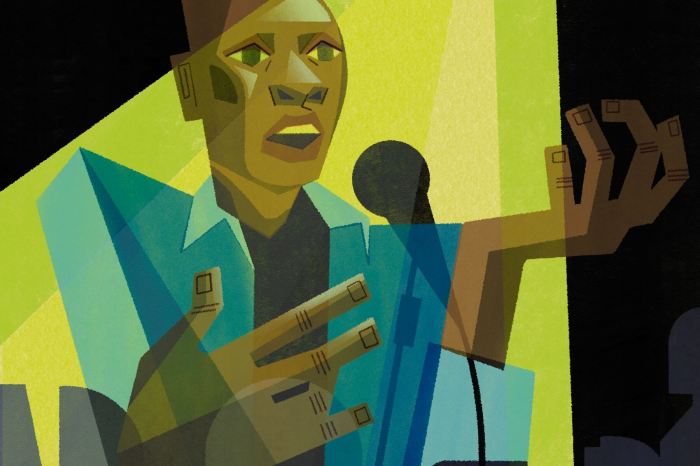
Spoken word poetry, a vibrant and dynamic art form, transcends the confines of the printed page. It is a powerful medium for expressing emotion and ideas, often employing a conversational, rhythmic style. This form, deeply intertwined with performance, breathes life into the written word, connecting with audiences in a unique and immediate way.Spoken word poetry distinguishes itself from traditional forms through its focus on the
- performance* aspect. It is not simply a poem to be read, but a poem to be
- heard*, felt, and experienced. The poet’s voice, their energy, and the connection they forge with the audience are all integral parts of the experience.
Key Characteristics of Spoken Word Poetry
Spoken word poetry is characterized by its emphasis on oral delivery. The spoken word poet uses vocal inflections, pauses, and pacing to enhance the meaning and impact of their work. This dynamic interplay between the spoken word and the listener creates a unique and immediate connection. The poet’s physical presence and energy often play a crucial role in the poem’s interpretation.
Often, the spoken word poem integrates elements of music, rhythm, and sometimes even song, to elevate the experience.
Spoken Word Poetry vs. Traditional Poetry
Spoken word poetry differs significantly from traditional poetry in its presentation and style. Traditional poetry, primarily designed for reading, often prioritizes formal structure, meter, and rhyme. Spoken word poetry, in contrast, frequently embraces a more conversational and less rigid style, allowing for a wider range of poetic devices. While traditional poetry frequently focuses on imagery and symbolism, spoken word poetry frequently uses the language of everyday experience, addressing contemporary issues and social concerns.
Role of Performance in Spoken Word Poetry
Performance is the lifeblood of spoken word poetry. The poet’s delivery, their ability to engage with the audience, and the energy they bring to the performance are crucial elements in shaping the experience. A well-delivered spoken word poem can evoke powerful emotions and create a lasting impression on the listener. The physicality of the performance – the poet’s body language, facial expressions, and gestures – can amplify the impact of the words.
A poem delivered with passion and conviction is far more potent than one recited in a monotone voice.
Poetic Devices in Spoken Word Poetry
Spoken word poetry, while often less bound by traditional forms, still employs poetic devices. Rhythm, rhyme, and metaphor are common tools, though they are often utilized in a less structured way than in traditional poetry. The poet crafts their own rhythms and cadences, often using the beat of music or their own physical movements to emphasize specific words or phrases.
These elements add layers of depth and complexity to the poem, helping to amplify the message and enhance the overall experience for the listener.
Comparison Table: Spoken Word vs. Traditional Poetry
| Feature | Spoken Word Poetry | Traditional Poetry |
|---|---|---|
| Presentation | Performed live, often with music or other performance elements | Primarily read, though sometimes recited |
| Style | Conversational, less rigid structure, often incorporating contemporary themes and issues | Emphasis on imagery, form, and traditional poetic devices |
| Purpose | To connect with the audience on an emotional level, often addressing social issues | To evoke emotion and thought through the exploration of imagery, symbolism, and formal structure |
| Delivery | Crucial aspect; vocal inflections, pauses, and pacing are vital to the interpretation | Less emphasis on the delivery; the written word is paramount |
History and Evolution

From the shadowed corners of oral tradition, a voice rose, a rhythmic pulse echoing through generations. Spoken word poetry, a potent blend of performance and verse, carved its path through time, a testament to the enduring human need to express, connect, and challenge. It’s a tapestry woven with threads of social change, fueled by the fires of protest, and adorned with the vibrant hues of personal experience.The roots of spoken word run deep, entwined with the ancient practice of storytelling.
Throughout history, poets and orators have used the power of the spoken word to ignite passion, shape ideologies, and inspire action. This powerful art form evolved through various stages, each influenced by the cultural landscape of its time, ultimately becoming the dynamic and influential force it is today.
Origins and Early Influences
The earliest forms of spoken word, often embedded within communal rituals and ceremonies, predate written records. These oral traditions, passed down through generations, laid the foundation for the structured poetry that would follow. Ancient Greek rhapsodes, for instance, were skilled storytellers and poets who recited epic poems to large audiences, establishing a precedent for the art of public performance.
This tradition, carried through various cultures, became a vital part of shaping social values and preserving history.
Key Milestones in Development
The 20th century witnessed a resurgence of spoken word, evolving from a traditional art form into a contemporary voice of social commentary. The emergence of the Black Arts Movement in the 1960s marked a pivotal moment, with poets like Amiri Baraka (LeRoi Jones) and Sonia Sanchez using their voices to challenge racial injustice and advocate for social change. The development of the poetry slam scene in the 1980s provided a platform for new voices to emerge, fostering a sense of community and shared experience.
Impact of Social and Political Movements
Social and political movements have consistently been powerful catalysts in the evolution of spoken word poetry. From the Civil Rights Movement to the feminist movement, poets have used their craft to amplify marginalized voices and challenge oppressive systems. This connection between social activism and spoken word poetry has been a defining characteristic, reflecting the deep-rooted desire to use the spoken word as a tool for social justice and liberation.
Evolution Over Time, Sample spoken word poetry
Spoken word poetry has adapted and transformed throughout history. Early forms emphasized rhythmic patterns and oral storytelling. Later, the genre embraced themes of social commentary and protest, particularly in the 20th and 21st centuries. Contemporary spoken word embraces a wide spectrum of styles, from traditional verse to more experimental forms. Technological advancements, including the internet and social media, have expanded the reach and accessibility of spoken word, allowing a broader audience to engage with this powerful art form.
Influential Poets
The spoken word tradition boasts a diverse array of influential poets. Langston Hughes, a pivotal figure in the Harlem Renaissance, used his poetic voice to capture the essence of African American life and experience. Maya Angelou, renowned for her powerful narratives, addressed themes of personal struggle and resilience. These and countless other poets shaped the landscape of spoken word poetry and inspired generations of artists.
Timeline of Key Events
| Year | Event | Description |
|---|---|---|
| 1960s | Early beginnings | Emergence of spoken word in various communities, marked by the Black Arts Movement and the rise of Black poets. |
| 1970s | Growing popularity | Spoken word gains recognition in mainstream media and performance venues, becoming increasingly accessible to a broader audience. |
| 2000s | Further development | Increased accessibility and diverse voices; the internet and social media expand the reach of spoken word, introducing new perspectives and approaches. |
Styles and Techniques
Spoken word poetry, a dynamic art form, transcends the limitations of traditional verse. It breathes life into words, transforming them into a visceral experience for the listener. The power of spoken word lies not only in the words themselves, but in the delivery, the rhythm, and the connection forged between the performer and the audience.Spoken word poetry encompasses a spectrum of styles, each with its unique characteristics.
From passionate pleas for social change to introspective explorations of the human condition, the form adapts to a multitude of subjects and perspectives. Common techniques, such as masterful use of rhythm and rhyme, and evocative imagery, elevate the spoken word beyond simple recitation. The incorporation of music, sound effects, and body language further amplifies the impact of the performance, creating a holistic and unforgettable experience.
Diverse Styles of Spoken Word Poetry
Spoken word poetry is not a monolithic entity; it’s a vibrant tapestry woven from various threads. Lyrical styles often prioritize emotional depth, painting vivid pictures with words and capturing the essence of human feelings. Narrative styles, on the other hand, tell stories, weaving intricate tales through compelling narratives. Political styles engage with social and political issues, using the power of language to advocate for change.
This variety allows for diverse voices and perspectives to be heard and understood.
Common Techniques
The effectiveness of spoken word poetry relies heavily on carefully chosen techniques. Rhythm and rhyme, while not always present, often contribute to the musicality of the performance. Rhythm creates a sense of flow and cadence, while rhyme, when employed, adds a sense of harmony and structure. Metaphors and similes are potent tools for enhancing imagery, transforming abstract concepts into concrete and relatable experiences.
These techniques, combined with carefully crafted language, elevate the spoken word beyond mere recitation.
The Role of Performance Elements
Spoken word performance is not solely about the words; it’s a multifaceted experience. Music and sound effects, when strategically incorporated, can dramatically amplify the emotional impact of the piece. Music can set a tone, build tension, or create a sense of euphoria. Sound effects can evoke specific images or create a sense of atmosphere. The speaker’s body language, including posture, facial expressions, and gestures, can further communicate emotions and enhance the overall impact.
The interplay of these elements creates a powerful and engaging performance.
Comparing and Contrasting Styles
While different styles of spoken word poetry exist, they often share common ground. For instance, a lyrical piece might use metaphors to convey emotion, while a narrative piece might use imagery to paint a vivid picture of the story. The political piece, while focusing on social issues, might still utilize rhythm and rhyme to make its message more memorable and impactful.
A comparison reveals the subtle differences in approach while highlighting the commonality of effective techniques.
Examples of Spoken Word Poetry in Different Styles
Examples of different styles can be found across various performances and recordings. A lyrical piece might focus on the bittersweet pangs of lost love, weaving vivid imagery and emotional depth into the spoken word. A narrative piece might recount a historical event, bringing it to life with vivid detail and captivating storytelling. A political piece might confront issues of social injustice, using powerful language to create a compelling call for change.
Table of Spoken Word Poetry Styles and Techniques
| Style | Description | Example |
|---|---|---|
| Lyrical | Focuses on emotional expression, often using vivid imagery and metaphors. | “The rain falls like tears on a broken heart…” |
| Narrative | Tells a story, using descriptive language and compelling storytelling techniques. | “Once upon a time, in a land far away…” |
| Political | Addresses social or political issues, often with a call to action. | “Injustice is a seed that grows in darkness…” |
| Slam | A competitive poetry style focused on performance and audience engagement. | “The microphone is a stage, the words are the weapons…” |
Themes and Topics

Spoken word poetry, a vibrant and dynamic art form, transcends the limitations of traditional verse. It’s a powerful voice, often unafraid to grapple with the complexities of the human experience, mirroring societal struggles and celebrating the triumphs of the spirit. This exploration delves into the common threads woven throughout this powerful medium, revealing the depth and breadth of its themes.Spoken word poetry isn’t merely an artistic expression; it’s a mirror reflecting the world around us.
It captures the zeitgeist, revealing the joys, sorrows, and anxieties that shape our collective existence. Through raw emotion and evocative language, spoken word poets become conduits for societal discourse, amplifying the voices of the marginalized and challenging the status quo.
Common Themes
Spoken word poetry often tackles a wide array of themes, drawing inspiration from personal experiences and societal issues. This exploration highlights recurring motifs, showcasing the profound impact of these subjects on the art form.
- Social Injustice:
- Personal Struggles:
- Love and Relationships:
- Political Activism:
- Identity and Belonging:
This theme, a cornerstone of spoken word poetry, often takes center stage, addressing issues such as systemic inequality, racial discrimination, and economic disparity. Poets use their words to amplify marginalized voices and demand social change. The language is frequently evocative and visceral, capturing the raw emotion of those who experience these injustices firsthand.
Exploring sample spoken word poetry can be a powerful way to express emotions. Consider how poets might use vivid imagery, like a rose, to convey deeper feelings, as seen in this collection of poetry about a rose. poetry about a rose. Ultimately, sample spoken word poetry offers a unique platform for self-expression and understanding one’s own emotional landscape.
The raw, unfiltered honesty of personal struggles, from mental health challenges to the trials of everyday life, provides a profound connection between the poet and the audience. Poems that explore grief, loss, or resilience resonate deeply, offering solace and inspiration. These personal narratives often serve as a testament to the human spirit’s capacity for growth and endurance.
The complexities of love, relationships, and human connection are a timeless source of inspiration for poets. Spoken word poetry often explores these themes with a vulnerability and authenticity that resonates with the audience. The poems delve into the joys and sorrows, the hopes and fears associated with intimate connections.
Spoken word poetry often serves as a powerful tool for political activism, advocating for change and challenging societal norms. The poets utilize their platform to promote social justice and hold power accountable. The passionate delivery and potent imagery contribute to the impact of these poems.
Exploration of identity and the search for belonging is a universal theme. Spoken word poetry delves into the nuances of race, gender, sexuality, and cultural background. The poems often explore the challenges of navigating a world that may not always embrace diverse identities. The poems create space for self-discovery and affirmation, ultimately contributing to a more inclusive understanding of the human experience.
Examples of Spoken Word Poetry Addressing Social Issues
Examples of spoken word poetry addressing social issues can vary greatly, from the poetic lamentations of injustice to the powerful advocacy for change. Each poem reflects the poet’s unique voice and perspective, yet collectively they paint a poignant picture of societal struggles.
- Examples addressing social injustice often include poems about racial inequality, highlighting the systemic issues of oppression and discrimination.
- Poems that explore personal struggles often focus on mental health, chronic illness, or trauma, offering vulnerable accounts of resilience and hope. These poems can serve as both a cathartic release and a source of inspiration for others.
Metaphors and Imagery in Spoken Word Poetry
Metaphors and imagery play a crucial role in conveying themes within spoken word poetry. They transform abstract ideas into vivid, tangible experiences for the audience, amplifying the impact of the poem.
- Metaphors:
- Imagery:
A powerful technique, metaphors allow poets to connect disparate concepts, revealing hidden similarities and profound truths. They add layers of meaning and depth to the poem.
Imagery, through vivid descriptions, paints a picture in the mind of the listener. It transports the audience to another place, another time, and evokes specific emotions. This sensory experience is critical to spoken word’s impact.
Analysis of a Sample Poem
Spoken word poetry, a vibrant art form, invites a deep dive into the speaker’s heart and mind. Through careful examination of structure, language, and imagery, we can uncover the intended message and impact. This analysis will explore a sample poem, dissecting its elements to reveal the power of this dynamic poetic expression.
Sample Poem
A fractured mirror, reflecting a shattered soul,Each shard a memory, a story untold.The edges, sharp and jagged, cut through the air,Whispers of yesterday, a haunting despair.A crimson stain on the faded carpet,A silent scream, forever trapped.Empty promises echo in the hollow chambers,A fractured heart, in a million tiny embers.The city sighs, a concrete jungle,Where dreams are crushed, and spirits plunge.But still, a flicker, a tiny light,A whisper of hope, in the darkest night.
Structure and Form
The poem, structured in free verse, embraces a lack of traditional rhyme or meter. This allows for a natural flow, mirroring the emotional ebb and flow of the speaker’s experience. The stanzas are of varying lengths, further emphasizing the organic, unconstrained nature of the expression. The poem’s overall form mirrors the fragmented nature of the speaker’s inner world.
Language and Imagery
The language is vivid and evocative. Words like “shattered,” “crimson,” “hollow,” and “concrete” paint powerful images, drawing the reader into the speaker’s emotional landscape. Metaphors, such as the fractured mirror and the crimson stain, amplify the poem’s impact. The use of sensory details (sight, sound, feeling) adds depth and resonance.
Poetic Devices
The poem utilizes several poetic devices to enhance its effect. Personification, giving human qualities to the city (“the city sighs”), creates a more intimate connection with the environment. Imagery, particularly visual imagery, is paramount in evoking emotion. Repetition of words or phrases (such as “fractured”) reinforces the central theme.
Speaker’s Tone and Message
The speaker’s tone is one of profound sadness and disillusionment. A sense of loss and despair permeates the poem. The message is a powerful reflection on the fragility of the human spirit, the impact of heartbreak, and the resilience of hope in the face of adversity.
Intended Audience and Impact
The intended audience is likely anyone who can relate to the themes of loss, heartbreak, and the struggle to find hope in a seemingly bleak world. The poem’s impact is emotional, leaving the reader with a lingering sense of empathy and reflection.
Analysis Table
| Element | Analysis |
|---|---|
| Structure | Free verse, varying stanza lengths, mirroring fragmented inner world. |
| Language | Vivid and evocative, employing metaphors and sensory details. |
| Imagery | Strong visual imagery (fractured mirror, crimson stain) evoking emotional response. |
| Tone | Sadness, disillusionment, a sense of loss, but with a flicker of hope. |
| Message | Fragility of the human spirit, heartbreak, resilience of hope in adversity. |
Last Point
In conclusion, sample spoken word poetry stands as a testament to the enduring power of the human voice. Its evolution reflects the changing social and cultural landscape, while its various styles and techniques provide a platform for diverse voices and perspectives. By understanding its history, techniques, and themes, we gain a deeper appreciation for this vibrant and ever-evolving art form.
Helpful Answers: Sample Spoken Word Poetry
What distinguishes spoken word poetry from traditional poetry?
Spoken word poetry is primarily performed live, emphasizing delivery and audience connection. Traditional poetry, conversely, is often read and focuses on the written word’s imagery and structure.
What are some common themes in spoken word poetry?
Common themes include social injustice, personal struggles, love and relationships, political activism, and explorations of identity and belonging. These themes often reflect and comment on contemporary societal issues.
How has spoken word poetry evolved over time?
Spoken word poetry’s evolution has been influenced by social and political movements, increasing accessibility, and the introduction of diverse voices. It has grown from a niche genre to a widely recognized and celebrated form.
What role does music play in spoken word performances?
Music is often an integral part of spoken word performances, adding rhythm, emotion, and depth to the overall experience. It can enhance the impact of the spoken word and create a powerful connection with the audience.


